Guangzhou Xiguan Half-Day Walk: Old Streets, Parks and Food
On this page14 sections
- 01Route at a glance
- 02Stop 1: enter through Ruyifang, not a shopping mall
- 03Stop 2: Liwan Lake and Pantang
- 04Food stop 1: choose a classic, small portion
- 05Stop 3: Baoyuan Road and the Xiguan street scale
- 06Stop 4: Enning Road and Yongqing Fang
- 07Food stop 2: sit down or keep grazing
- 08Optional extension: Shangxiajiu
- 09How to fit the route into a layover or short visit
- 10Weather and pacing
- 11Navigation and payments
- 12A practical half-day schedule
- 13Frequently asked questions
- 14Sources
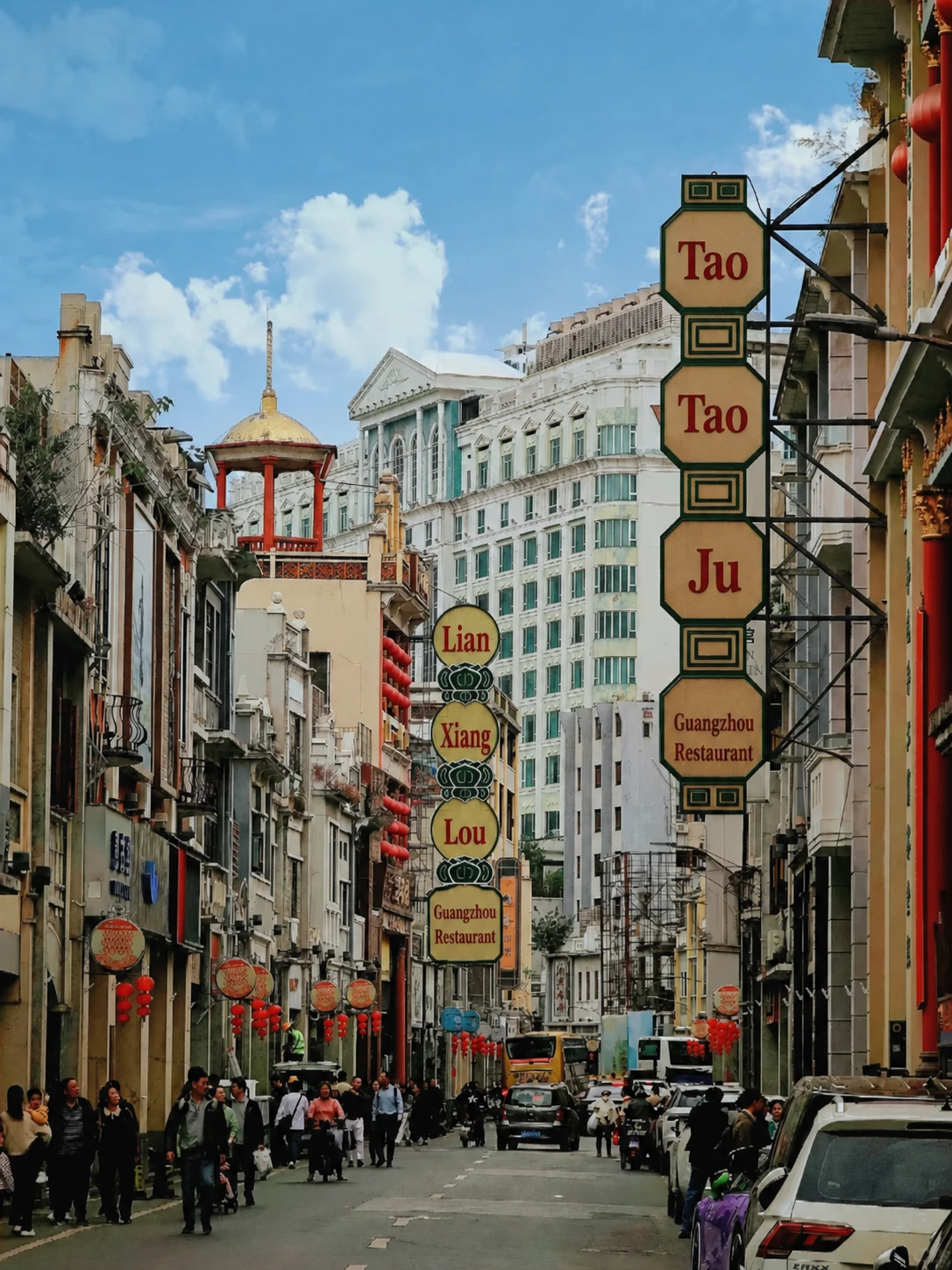
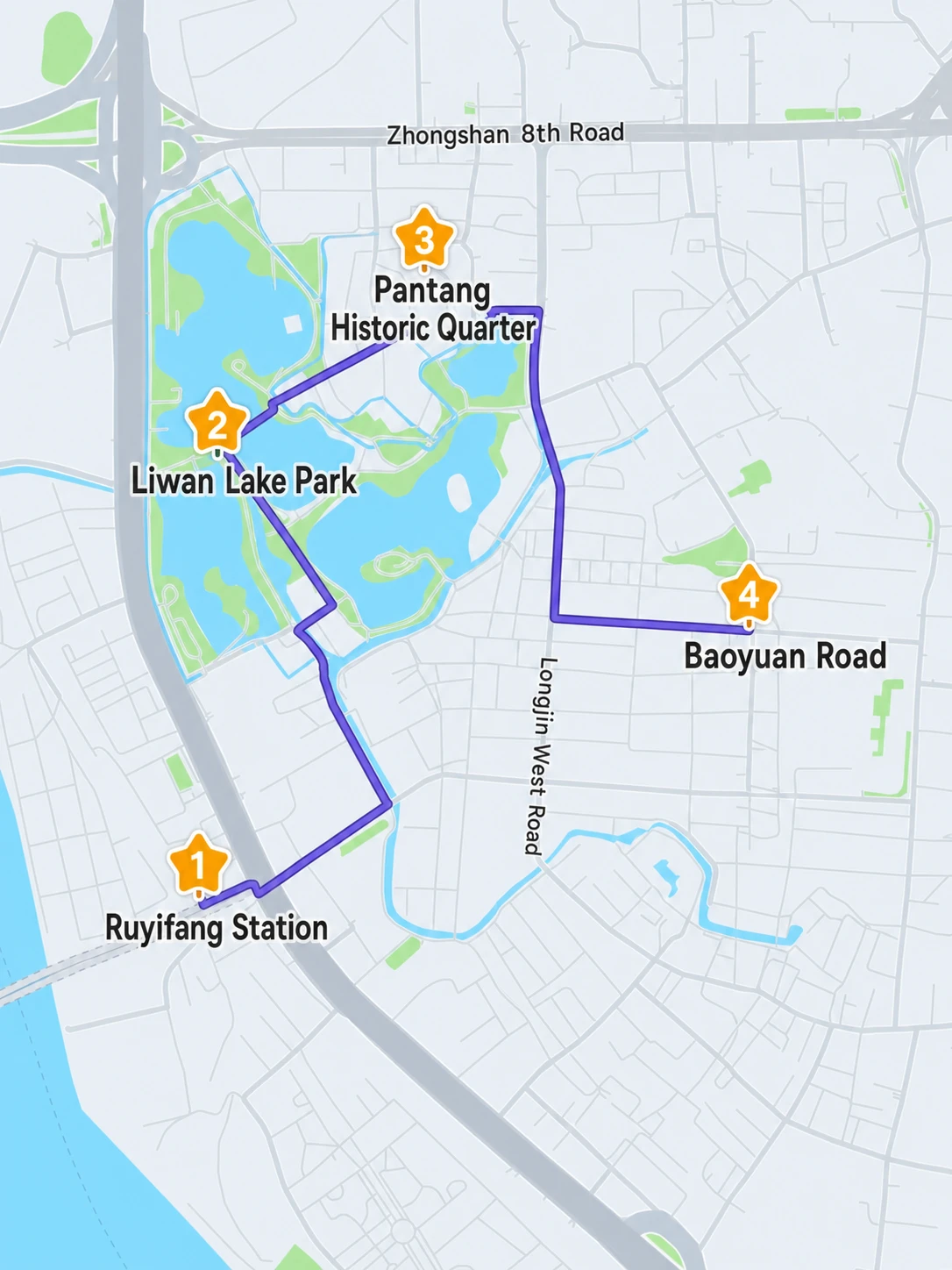
With half a day in Guangzhou, walk west-to-east through Xiguan rather than crossing the city between disconnected landmarks. Start near Ruyifang, pass Liwan Lake and the historic Pantang area, continue through Baoyuan Road and Enning Road, then finish around Yongqing Fang or the edge of Shangxiajiu. Allow four to five hours with food.
This route works because it follows the old Liwan street fabric. Guangzhou's official district introduction describes Xiguan as a cradle of Lingnan culture and links the area to the city's long commercial and Maritime Silk Road history. The park, lanes, arcades and food traditions belong in one walk; they should not be split into separate taxi stops.
Route at a glance
Start: Ruyifang metro area Route: Liwan Lake → Pantang → Baoyuan Road → Enning Road → Yongqing Fang Finish: Huangsha metro or continue toward Shangxiajiu Walking time: about two hours without stops Realistic total: four to five hours Best for: architecture, parks, snacks and a compact first look at old Guangzhou
The 2025 XHS post that inspired the route received more than 6,000 likes and 8,600 saves at collection time. Its first half provided a coherent Xiguan walk. Its later hotel-dessert promotion is not part of this guide, and those images were excluded from the image plan.
Stop 1: enter through Ruyifang, not a shopping mall
Ruyifang is a useful starting point because it puts you close to the western side of Liwan Lake and the Pantang area. On the map, choose the exit that reduces surface-road crossings and check the live route when you arrive; metro exits and construction access can change.
The first ten minutes may feel ordinary. That is an advantage. Xiguan is not a sealed historic attraction, and the transition from residential streets to water, arcades and restored blocks makes the walk legible.
Buy water before entering the route. Guangzhou is hot and humid for much of the year, and a half-day itinerary can become uncomfortable if every break depends on a crowded famous shop.
Stop 2: Liwan Lake and Pantang
Liwan Lake Park gives the walk breathing room. Water, bridges and mature greenery create a slower start than the commercial lanes farther east. It is also a good place to understand the area's relationship with the old “Lychee Bay” landscape.
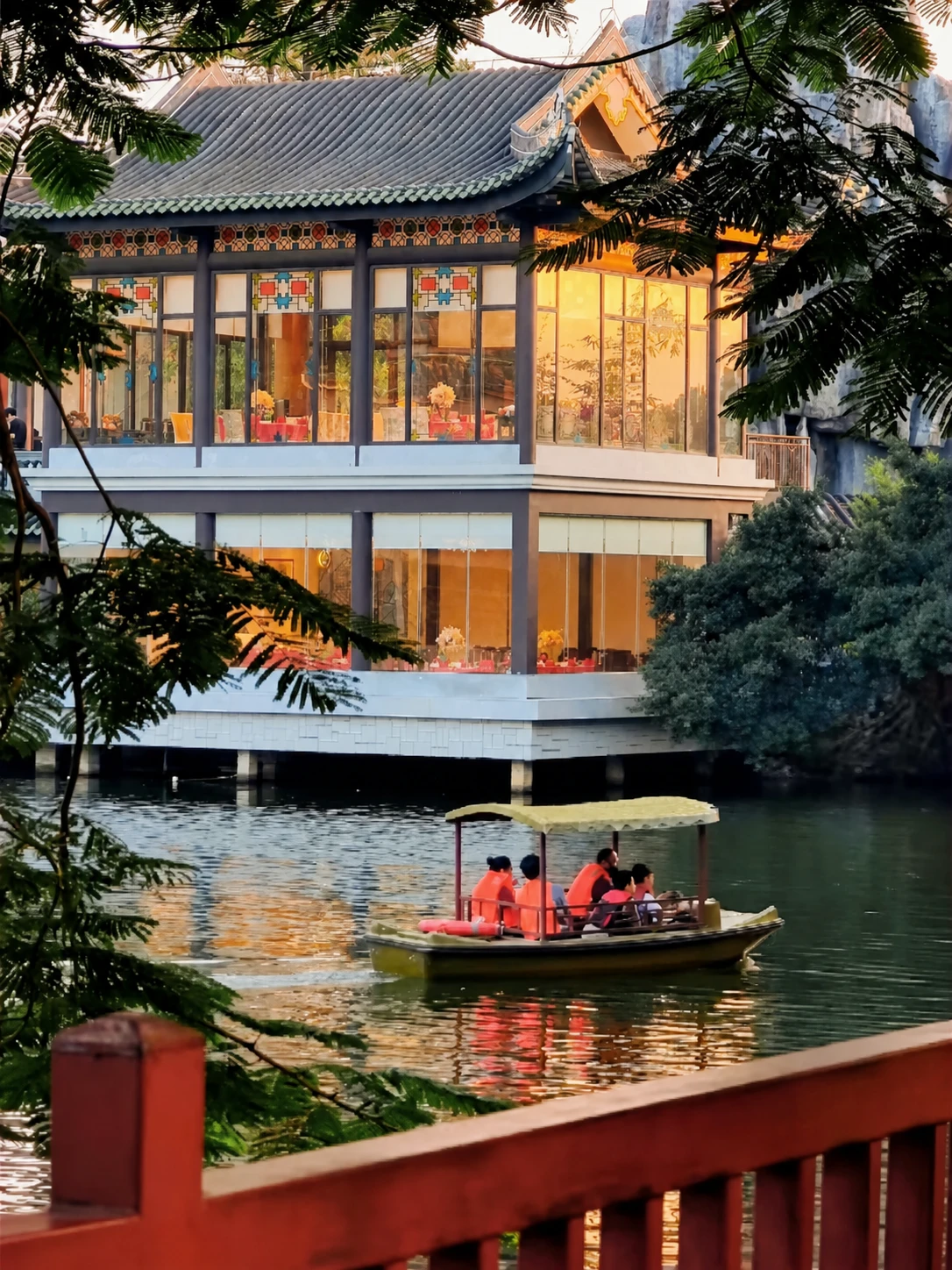
Continue toward Pantang Wuyue, the historic village area beside the park. Guangzhou's official tourism material includes Pantang among the Liwan places where traditional streets and food culture remain visible. Restoration and visitor businesses have changed parts of the area, but the lane scale still contrasts with central Guangzhou's towers.
Do not schedule a precise minute-by-minute route here. Stop if a small ancestral hall, waterside view or shaded lane is open and interesting. Skip a photogenic doorway if it is a private residence.
Food stop 1: choose a classic, small portion
This is the right area for the first food stop. Rather than ordering a full lunch, choose one item associated with old Guangzhou. Depending on the shop and your diet, that might be a rice roll, a small bowl of congee, a sweet soup or a local pastry.
The useful test is not whether the shop has appeared on social media. Look for:
a focused menu;
active preparation;
clear turnover;
a queue you are willing to spend time in;
seating or packaging that fits the rest of the walk.
If a famous shop is closed, substitute the dish, not the brand. This keeps the route resilient when businesses change.
Stop 3: Baoyuan Road and the Xiguan street scale
Walk east toward Baoyuan Road. This section is about streetscape rather than a single attraction. Look for arcades, timber doors, narrow plots and the relationship between ground-floor commerce and homes above.
The term “Xiguan mansion” is often used loosely in tourism content. Not every old-looking façade is an accessible mansion, and many interiors are private. Appreciate the street elevation unless a building clearly operates as a museum or public venue.
Traffic deserves attention. Arcade sidewalks can narrow around shop displays and scooters. Keep bags close, pause before stepping into the road and do not walk backward while taking photos.
Stop 4: Enning Road and Yongqing Fang
Enning Road is the clearest architectural finish to the route. Its arcaded buildings and restored sections show both Xiguan's commercial heritage and Guangzhou's current approach to reusing old neighborhoods. Yongqing Fang, at 99 Enning Road, is the most polished visitor zone.
Yongqing Fang is convenient for toilets, drinks and a first-time visitor's orientation. It is also more curated and commercial than the lanes you just crossed. Use it as one layer of Xiguan, not proof that the entire district looks the same.
If Cantonese opera or Bruce Lee family history interests you, check the current access and opening hours of the relevant venues in the area. Do not force a museum into a half-day plan if it leaves no time for the streets themselves.
Food stop 2: sit down or keep grazing
At this point, choose between one sit-down Cantonese meal and two more snacks. A sit-down meal makes sense in heat or rain. Grazing works if your priority is variety.
Useful Xiguan categories include:
wonton noodles;
cheong fun/rice rolls;
double-skin milk or other milk puddings;
herbal jelly or sweet soup;
roast meats;
clay-pot or homestyle Cantonese dishes.
Menus can contain pork stock, dried seafood, shrimp paste or peanut even when the English name sounds vegetarian. Show dietary restrictions in Chinese and ask about broth and sauce, not just the visible topping.
Optional extension: Shangxiajiu
If you still have energy, continue toward Shangxiajiu for a busier commercial arcade experience. If not, finish near Huangsha metro. The extension is not essential: after Enning Road, you have already seen the route's strongest combination of water, lanes and architecture.
Travelers with a full day can add Chen Clan Ancestral Hall separately. It is a major Guangzhou landmark, but inserting it halfway through this walk breaks the west-to-east flow. Visit it before the route or on another day.
How to fit the route into a layover or short visit
This is not an airport-layover route unless you have enough buffer for immigration, baggage and two long transfers. Guangzhou Baiyun Airport is far from Xiguan. Treat four to five hours as time in the neighborhood, not total time between flights.
From Guangzhou South Railway Station, also allow substantial metro or taxi time. Check the exact station and departure gate before deciding when to leave. A relaxed food walk becomes stressful if the return calculation ignores station security.
Weather and pacing
Hot weather
Start early or after the strongest afternoon heat. Liwan Lake has shade, and the arcades help, but humidity remains. Plan one air-conditioned break.
Rain
Arcades make parts of Xiguan more workable than an exposed waterfront route, but polished stone and road crossings can be slippery. A compact umbrella is more practical than a large one in narrow lanes.
Weekends and holidays
Yongqing Fang and famous food shops can become crowded. Reverse the route only if your transport works better that way; otherwise arrive earlier and accept that one viral shop may not be worth the queue.
Navigation and payments
Save these Chinese names before leaving:
Ruyifang: 如意坊
Liwan Lake Park: 荔湾湖公园
Pantang Wuyue: 泮塘五约
Baoyuan Road: 宝源路
Enning Road: 恩宁路
Yongqing Fang: 永庆坊
Use Apple Maps or AMap Global and keep the Chinese text available for a taxi or DiDi driver. For app setup, see our China map guide and DiDi guide for foreign visitors.
Small shops increasingly accept mobile payment, but a foreign card linked to an app can still fail. Carry a second payment method and modest cash; do not expect every stall to accept a physical overseas card.
A practical half-day schedule
09:00: arrive near Ruyifang.
09:15–10:15: Liwan Lake and Pantang.
10:15–11:00: first snack and lane exploration.
11:00–12:00: Baoyuan Road toward Enning Road.
12:00–13:30: Yongqing Fang and lunch.
After 13:30: leave from Huangsha or extend to Shangxiajiu.
For an afternoon version, shift the schedule and verify venue closing times. Parks and streets remain accessible later than museums or heritage interiors.
Frequently asked questions
Is Xiguan the same as Liwan?
Xiguan is a historic and cultural area associated largely with today's Liwan District; the terms are related but not perfectly interchangeable administrative labels.
Is the route suitable with children or older travelers?
It can be, if you shorten the lane detours and use a ride after Enning Road. Heat, uneven surfaces and traffic are more important than the raw distance.
Do I need a guide?
No for navigation. A knowledgeable guide adds value if you want architectural or food-history interpretation rather than a self-guided overview.
Sources
Guangzhou government: Liwan District and Xiguan culture, checked 2026-07-16.
Guangzhou government: Pantang, Yongqing Fang and traditional food, checked 2026-07-16.
XHS route inspiration, note 68837207000000001203358a, published 2025-07-25; engagement collected 2026-07-16.
Two things that make the walk work better. Cantonese cooking is the one cuisine where ordering badly is genuinely wasteful, because the point is ingredient quality rather than seasoning — the regional cuisine guide covers what to order and what a dish should cost. And if you are arriving or leaving through Baiyun, the airport transfer guide covers the metro line that makes a half-day here possible on a layover.