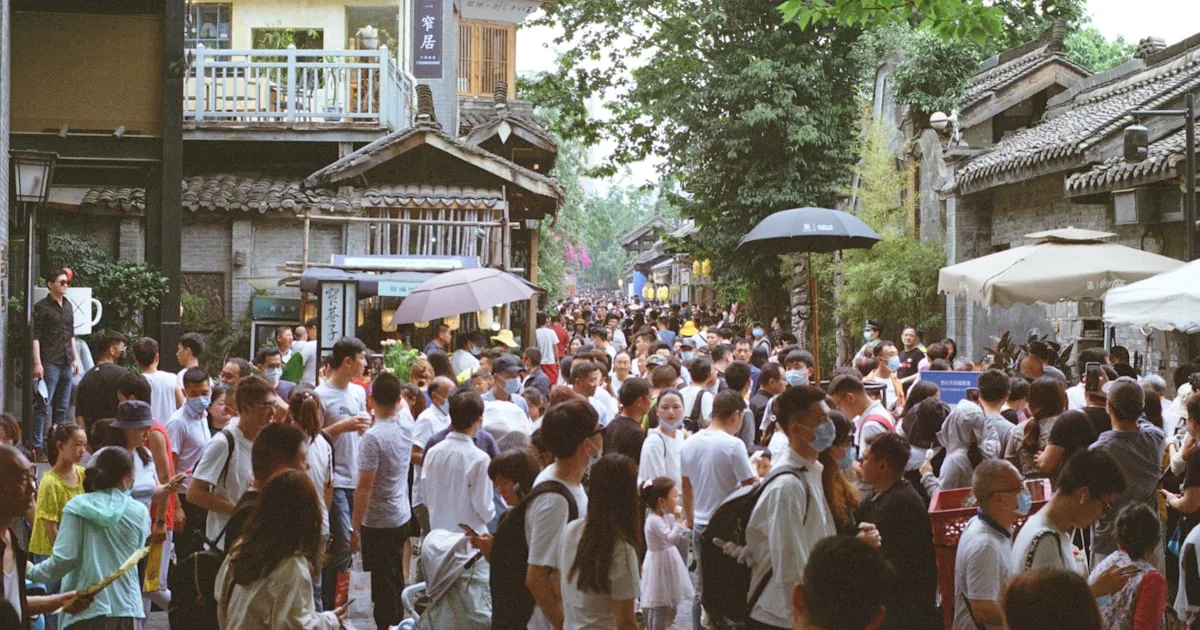
A Local Chengdu Citywalk: Neighborhood Streets, Markets and Food
On this page13 sections
- 01Route at a glance
- 02Why Yulin works for a citywalk
- 03Stop 1: Yulin Integrated Market
- 04Stop 2: West Yulin Street
- 05The food strategy: categories before addresses
- 06Street photography without turning people into props
- 07Add a park or keep the neighborhood compact?
- 08When to go
- 09Navigation and transport
- 10Budget and payment
- 11A realistic half-day plan
- 12Frequently asked questions
- 13Sources
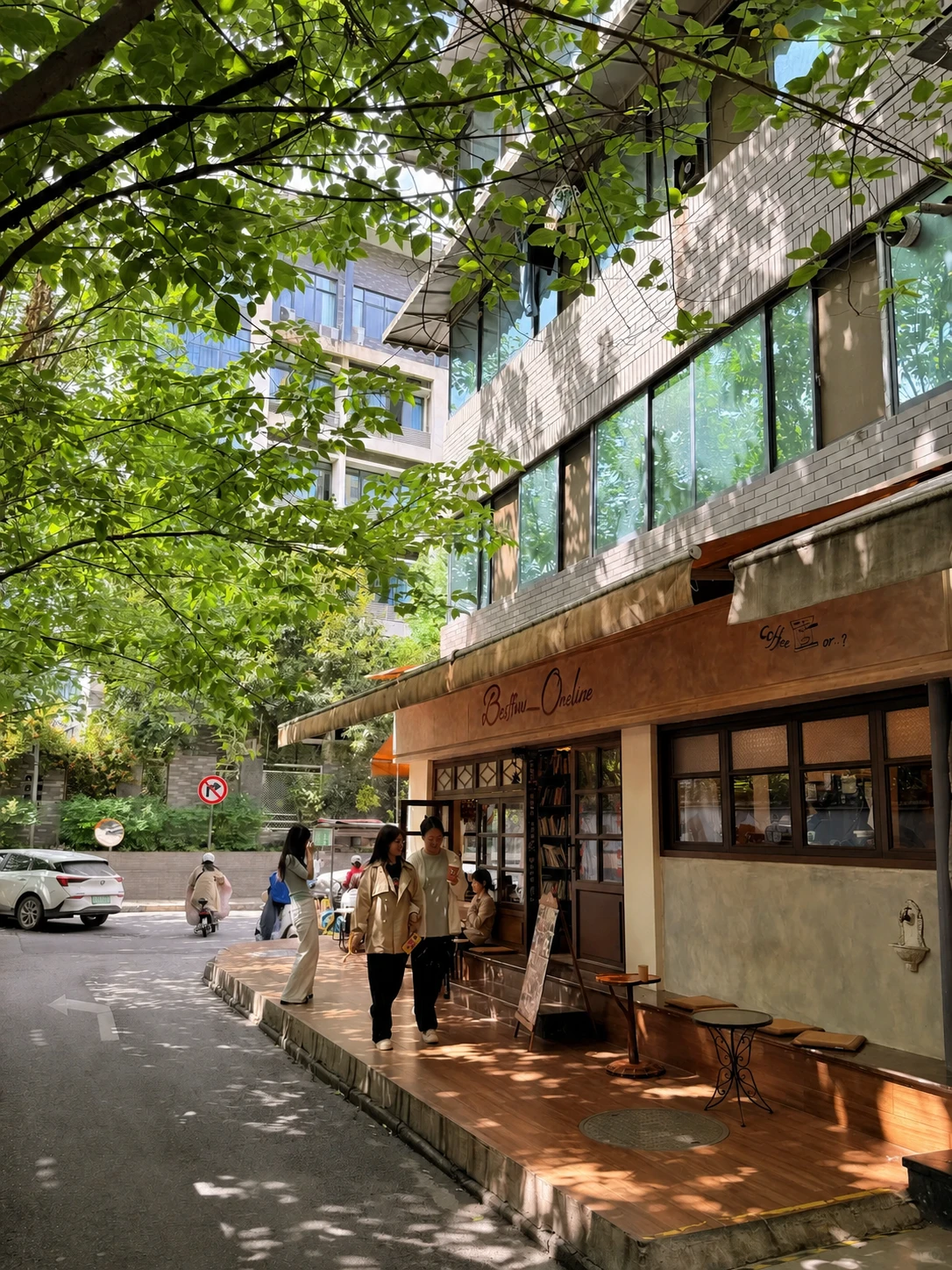
For a Chengdu walk that feels different from the panda base and Kuanzhai Alley, spend half a day around Yulin. Start near Nijiaqiao metro, visit Yulin Integrated Market, drift through West Yulin Street and the surrounding residential grid, then choose food by category rather than chasing ten viral shops. Three to five hours is enough.
This is a neighborhood day, not a monument itinerary. Its rhythm comes from markets, shade trees, small businesses, apartment gates and food counters. A popular 2026 XHS post recommending two Chengdu walks drew about 11,000 likes and 17,000 saves at collection time—the strongest engagement in this batch. The useful insight was the neighborhood scale. Exact cafés and storefronts are the least durable part, so this guide does not make them the route anchors.
Route at a glance
Start: Nijiaqiao metro station Anchor: Yulin Integrated Market, 12 West Yulin Street Walk: market → West Yulin Street → residential side streets → Fangcao/Yulin edge Time: three to five hours Best for: food, street photography and an unscripted urban afternoon Skip if: you want major historic sights or a tightly timed attraction list
Go Chengdu's official city-service guide places Yulin Integrated Market about 600 meters from Nijiaqiao station, served by Metro Lines 1 and 8. Use that as the fixed starting anchor, then let the rest of the walk remain flexible.
Why Yulin works for a citywalk
Yulin is famous in Chinese popular culture, but it is not a preserved “old town.” It is a mature urban neighborhood where local life, nightlife and visitor interest overlap. That makes it more representative of contemporary Chengdu than a rebuilt heritage street, while still being easy to explore on foot.
The streets reward attention to small contrasts:
an older residential block beside a polished café;
a wet market near late-night restaurants;
mahjong rooms, fruit stalls and bookstores in the same grid;
broad shade trees softening dense apartment streets.
Do not expect every corner to be photogenic. Ordinary stretches are part of the route, and they make the good stops feel discovered rather than staged.
Stop 1: Yulin Integrated Market
Start at the market while produce and prepared-food counters are active. Markets show ingredients before they become menu translations: fresh vegetables, tofu, pickles, chilies, noodles, meat and spices. This is useful context for eating later.
Be considerate. Keep out of working aisles, do not handle food without permission and ask before photographing a vendor closely. The market is a daily service for residents, not a visitor exhibit.
If you want breakfast or an early snack, choose a counter with steady local turnover and a dish that is prepared in front of you. Keep the portion small. The route works better when you can eat two or three distinct things rather than finishing a banquet at the first stop.
Stop 2: West Yulin Street
West Yulin Street provides the route's commercial spine. Walk slowly and inspect side streets rather than staying on the most visible road. Businesses change quickly, so a saved shop name should be treated as a possibility, not an appointment.
A useful stop mix is:
one independent book, record or design shop;
one tea or coffee break;
one street-food or noodle stop;
one quiet residential loop with no purchase required.
This creates variety without turning the afternoon into a shopping checklist. If a shop is closed, continue; another corner will usually fill the same role.
The food strategy: categories before addresses
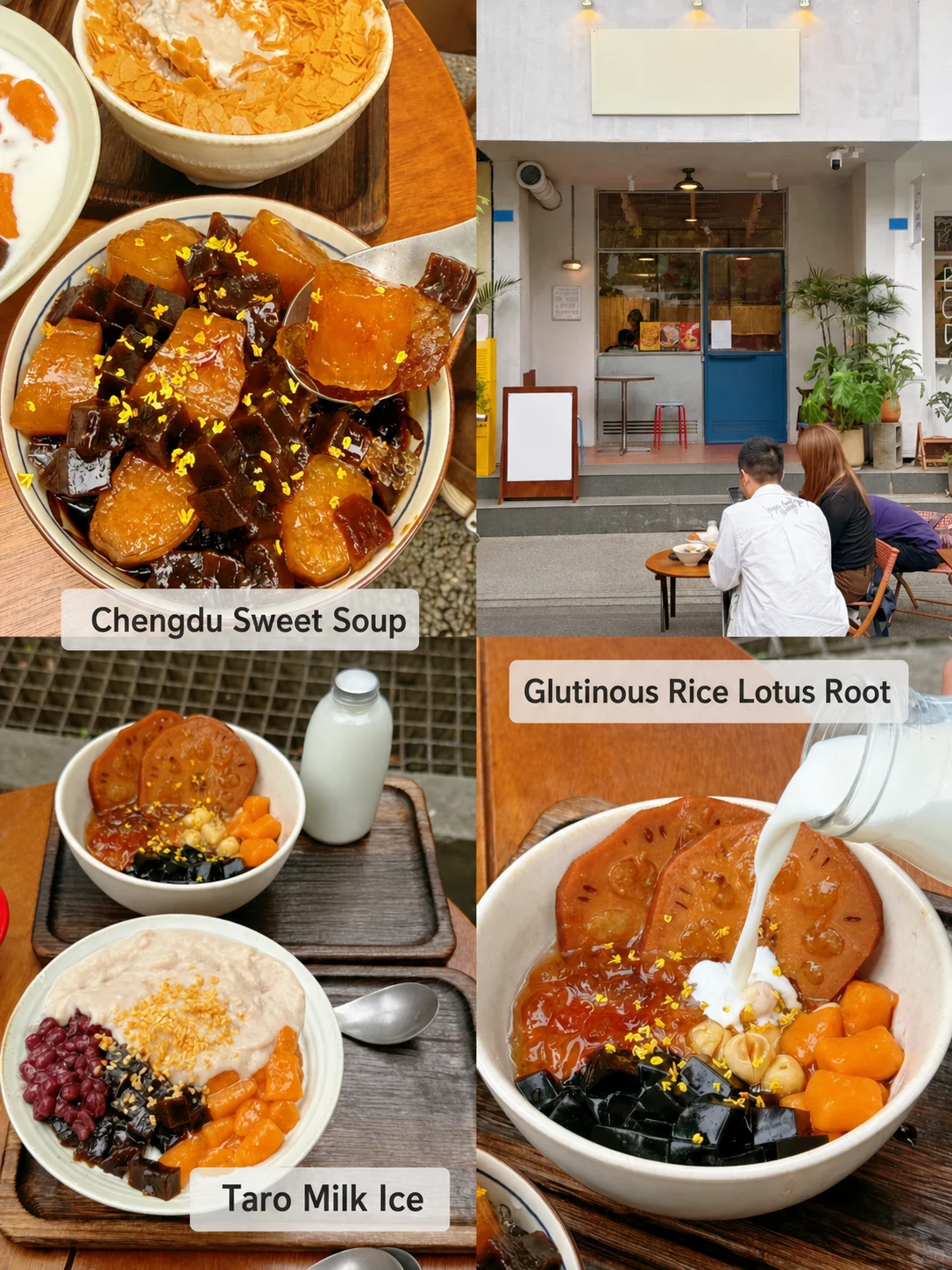
Chengdu's official City of Gastronomy guide identifies classic street foods such as Zhong dumplings, Lai tangyuan and dandan noodles. Those names are useful starting points, but the city offers far more than a canonical top ten.
Build a balanced tasting sequence:
Something light or breakfast-like: dumplings, rice noodles or a small baked item.
One Sichuan flavor benchmark: dandan noodles, wontons in chili oil or another small noodle bowl.
One cooling break: sweet soup, tofu dessert, fruit or tea.
One shared meal, if hungry: homestyle dishes or hot pot sized for the group.
Ask about spice honestly. `微辣` means mildly spicy by local standards, not spice-free. If you cannot tolerate chili, say `不放辣` and confirm whether the base sauce already contains it. Sichuan pepper creates a numbing sensation distinct from chili heat.
For vegetarian eating, ask about broth, lard and minced meat. A vegetable topping does not make the stock vegetarian.
Street photography without turning people into props
Yulin's appeal is social and lived-in. Wide street scenes, shop exteriors and public details are generally less intrusive than close portraits. Ask before photographing a vendor, child or person playing cards.
Avoid blocking apartment entrances for a fashion shot. If a resident needs to pass, move immediately. A quieter lane is not empty space; it is someone's home environment.
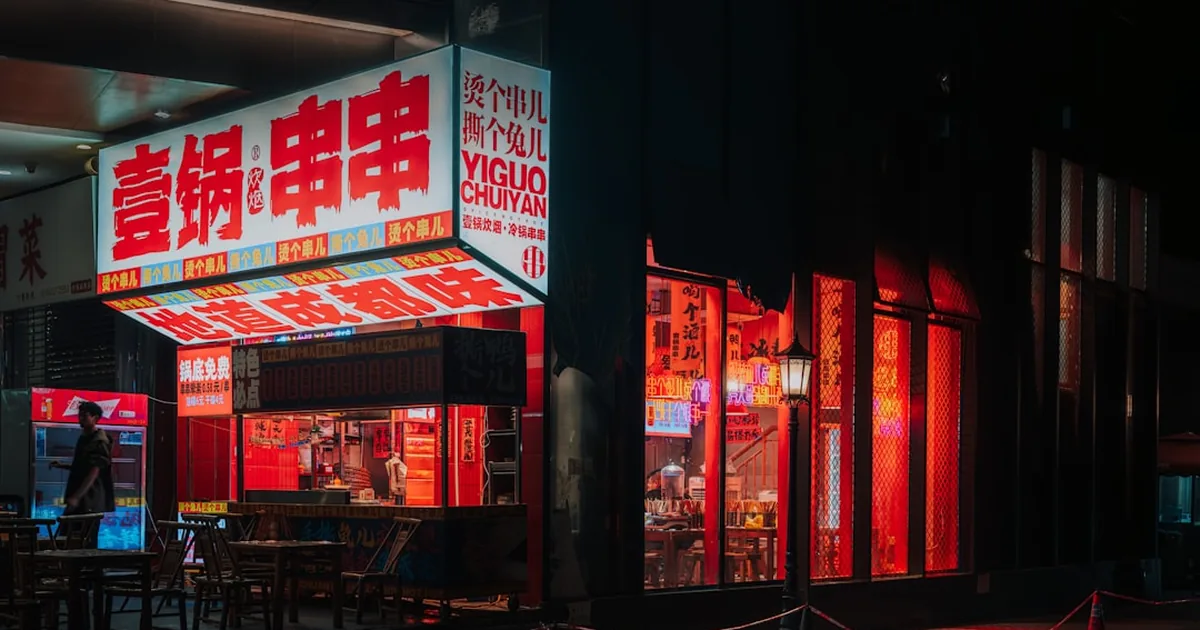
Chinese signage will appear in almost every frame. That is part of the real streetscape. For publication, images in this article are selected by section and prominent Chinese overlays will be translated or removed; the goal is to preserve the place, not sterilize it.
Add a park or keep the neighborhood compact?
If you want more walking, extend toward Fangcao Street or another nearby green space shown on your current map. If heat, rain or food has slowed the group, finish in Yulin and take a ride back.
Do not add People's Park merely to make the itinerary look comprehensive. It is a worthwhile Chengdu sight, but the transfer breaks the neighborhood logic. Visit it on a central-city day with Tianfu Square or Kuanzhai Alley.
When to go
Morning
Best for the working market and breakfast. Some cafés and nightlife-focused businesses will not be open.
Afternoon
Best balance for shops, shade and a gradual move toward dinner. In summer, start after the strongest heat or plan a long indoor break.
Evening
Best for restaurants and bars, less useful for the market. Street atmosphere becomes livelier and noisier.
Weekdays usually feel more like a working neighborhood. Weekends bring more citywalk visitors and queues.
Navigation and transport
Use Nijiaqiao as the arrival point and save `玉林综合市场` for the market. Metro is more predictable than a road transfer at busy times. If you take DiDi, choose a legal curbside pin and avoid requesting inside a narrow residential lane.
Our map apps for China guide explains Apple Maps and AMap Global. If you have not set up ride-hailing, follow the DiDi guide for international numbers and cards.
Keep the hotel name in Chinese. After dinner, a familiar English hotel brand may still be ambiguous to a driver if several branches operate in Chengdu.
Budget and payment
Yulin can be inexpensive or premium depending on the stops. Avoid publishing a fixed “food crawl price” because menu prices and appetite vary. Before ordering seafood, alcohol or dishes sold by weight, confirm the unit and total.
Mobile payment is common. A linked foreign card may still fail at a tiny merchant, so carry a second app/card method and some cash. Physical foreign credit cards are not a reliable default at neighborhood counters.
Keep the crawl enjoyable by ordering one shareable item at each early stop. Photograph the menu before paying when the unit is unclear, and confirm whether a quoted amount is per bowl, portion or weight. If food has been sitting uncovered, the oil smells stale or the counter hygiene looks poor, move on; another snack is close. Travelers with allergies should carry a written Chinese card that mentions sauces, broths and cooking oil, because pointing at the visible topping does not describe everything in the dish.
A realistic half-day plan
10:00: arrive at Nijiaqiao and walk to the market.
10:15–11:00: market and first small snack.
11:00–12:30: West Yulin Street and side lanes.
12:30–13:30: noodles or a light lunch.
13:30–15:00: independent shop, tea break and residential loop.
After 15:00: finish, add a nearby park or stay for dinner.
For an evening version, begin around 15:00 and accept that the market may be winding down.
Frequently asked questions
Is Yulin safe to walk at night?
It is a busy urban neighborhood, but normal city precautions still apply. Watch traffic, keep valuables controlled and use a legal pickup point when leaving late.
Can I do the route without speaking Chinese?
Yes. Save Chinese place names, use screenshot translation for menus and keep dietary requirements written clearly. Pointing at a dish is not enough if allergies matter.
Is this a good first day in Chengdu?
It is excellent after a morning attraction or on an arrival day. If you have only one day total, combine it carefully with one priority sight rather than trying to cover every Chengdu landmark.
Sources
Go Chengdu: Yulin Integrated Market, checked 2026-07-16.
Chengdu City of Gastronomy guide, official tourism PDF.
XHS route inspiration, note 6a435c3f00000000060350fd, published 2026-06-30; engagement collected 2026-07-16.