Best Great Wall Sections to Visit in June: A Real Comparison
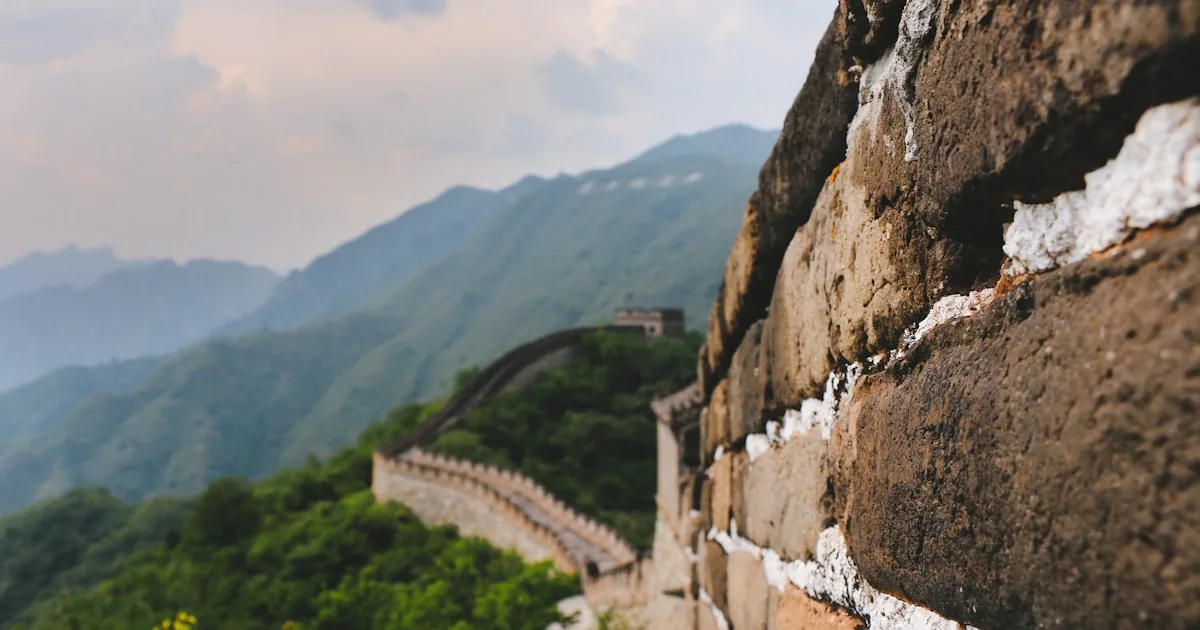
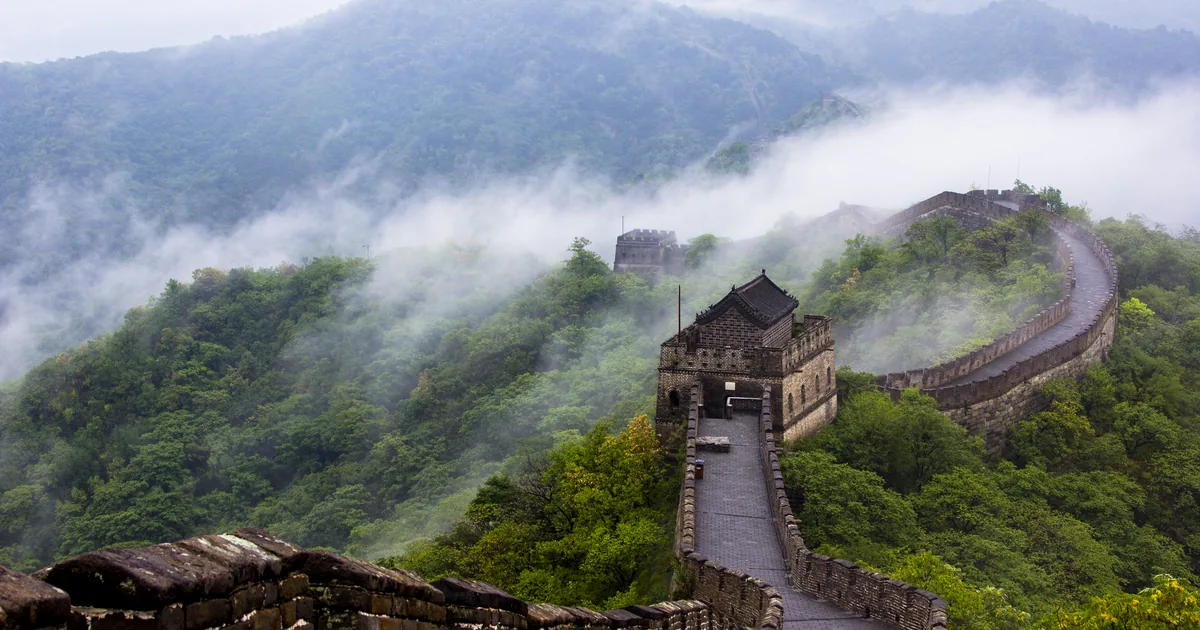
For a June visit, Mutianyu is the safest choice: forested approach, cable car up, restored walls, and ¥40 entry. Jinshanling is better if you want dramatic, empty photos. Simatai is for serious hikers or anyone willing to travel for a rare night visit. Skip Badaling unless you are specifically short on time — it is the closest to Beijing and also the most crowded section of the entire Wall.
What this guide covers
Head-to-head comparison of four main Great Wall sections for June conditions
Entry fees, cable car costs, and bus routes from Beijing (in ¥)
How June heat and humidity affect each section differently
What to pack for a summer Wall day trip
The Gubeikou to Jinshanling wild-wall hike option
Heading to China soon?
Take every guide offline — translation, payments, maps, and emergency help in one free app.
Matching the section to your priorities
Not every section of the Great Wall gives you the same experience. Your choice should match what you actually care about — photos, history, hiking, or just ticking it off the list with minimum effort.
For first-time visitors: Mutianyu
If it is your first time, go to Mutianyu. It is the most balanced option: 70 kilometers from Beijing (about 90 minutes by car), fully restored, forested approach that keeps the temperature manageable in June, and cable cars, chairlifts, and toboggans that let you skip the steep climb up and down. Entry is ¥40 (2026 standard adult price), cable car up and chairlift down is around ¥120, toboggan down is ¥100.
For photographers and fit hikers: Jinshanling
Jinshanling is what the postcard shots are made of. The Wall snakes along rolling ridges, watchtowers still feel rugged without being dangerous, and crowds are a fraction of Badaling or even Mutianyu. It is 130 kilometers from Beijing (2 to 2.5 hours), entry is ¥65, and you can rent a cable car up for ¥30 to save energy.
For adventure and night visits: Simatai
Simatai is the only section of the Great Wall that officially opens for night tours, illuminated against the dark hills. It is steep, rugged, and unrestored in places. Entry is ¥40, plus ¥40 for the cable car. Night tours require advance booking through the Simatai / Gubei Water Town website and cost more.
For history buffs on a short schedule: Badaling
Badaling is the closest major section to Beijing (70 kilometers, 1 hour by direct bus) and the most-visited. In June, it also gets the heaviest Chinese school group traffic. Entry is ¥40. If you only have half a day and cannot leave the city early, Badaling works — otherwise, avoid it.
Getting there from Beijing
Mutianyu
Public bus: Take subway Line 15 or Line 16 to Huairou Beidajie, then transfer to the H23 or H24 local bus to Mutianyu. Total cost is under ¥20 but takes 3 hours each way.
Official Bus Tour (旅游专线): Board at Dongzhimen Hub. Runs daily, around ¥60 round-trip, drops you at the Mutianyu gate, picks you up mid-afternoon. Easiest public option.
Private car: ¥400 to ¥600 for a full-day round-trip depending on car size and season. Works well for groups of 3-4.
Badaling
Bus 877 (official Badaling Express): Leaves from Deshengmen, takes 1 to 1.5 hours, around ¥12 one way. Buy return ticket on arrival.
S2 Train: From Huangtudian station (subway Line 8), around ¥6 one way, 80 minutes. Very scenic but limited daily departures.
Bus 919: Slower, stops more, avoid if you can take the 877.
Jinshanling
Direct tourist bus: Seasonal service from Wangjing West subway station at 8:00 AM, returning around 3:00 PM. Around ¥32 one way.
Private car / shared van: ¥500 to ¥700 round-trip. Most practical given the distance.
Simatai / Gubei Water Town
Direct shuttle bus: Runs from Dongzhimen Hub, ¥48 one way, about 2 hours. Best option if you want the night-tour experience.
Private car: ¥600 to ¥900 round-trip depending on whether you stay late for the night Wall.
Section | Entry fee | Cable car | Distance from Beijing | Crowd level | June shade |
|---|---|---|---|---|---|
Mutianyu | ¥40 | ¥120 up/down combo | 70 km | Medium | High (forested) |
Badaling | ¥40 | ¥100 round-trip | 70 km | Very high | Low |
Jinshanling | ¥65 | ¥30 up | 130 km | Low | Low-medium |
Simatai | ¥40 + night surcharge | ¥40 | 120 km | Low | Low |
Managing the June heat
Beijing in June regularly hits 30°C to 35°C (86°F to 95°F) with dry air through mid-month, turning humid toward the end as the summer rains approach. On exposed stone ramparts in direct sun, the heat index can feel like 40°C.
The shade matters more than the ticket price
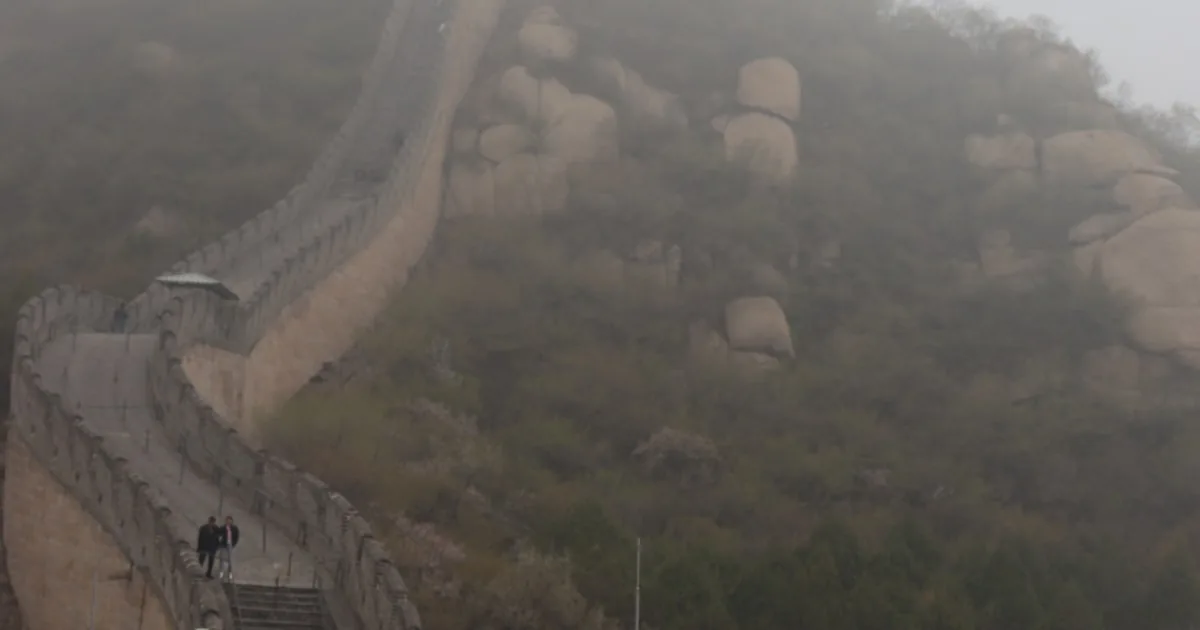
Mutianyu's approach path winds through dense forest. You walk under tree cover from the parking lot to the cable car base, and even sections of the wall itself have tree cover nearby. Jinshanling and Simatai are almost entirely exposed — the Wall there sits on open ridges with no shelter. Badaling has partial shade near the entrance but most of the wall walking is in full sun.
If you only have one piece of advice: go early. Start at the gate when it opens (usually 7:30 AM in summer), finish the main walking by 11:00 AM, and eat lunch in the shade. Sunset visits work too, but buses back to Beijing thin out after 5:00 PM.
Hydration and sun protection
Carry at least 1.5 liters of water per person (2 liters for Jinshanling)
Electrolyte packets if you are hiking more than 3 hours
Wide-brim hat, UV-blocking sunglasses, SPF 50+ sunscreen
Reapply sunscreen every 2 hours — the reflected light off stone ramparts adds to UV load
Wet a small towel and drape it over your neck on the climb
The wild wall option: Gubeikou to Jinshanling hike
For experienced hikers, the unrestored Gubeikou to Jinshanling trek is the most photographed "wild wall" route in the country. It starts at Panlongshan in Gubeikou, transitions through crumbling brickwork and overgrown watchtowers, and ends at the restored Jinshanling section.
Duration: approximately 6 to 8 hours end-to-end
Distance: 10 to 12 kilometers on uneven stone and dirt
Difficulty: hard — steep unrestored sections, narrow drop-offs, no railings
Starting cost: ¥25 entry at Gubeikou, plus the ¥65 Jinshanling exit
Transport: easiest with a private driver who drops you at Gubeikou and picks you up at Jinshanling parking (¥600 to ¥900)
Do not attempt this hike in the middle of a June afternoon. Start at dawn, carry 3 liters of water per person, wear real hiking boots, and check the weather the night before — thunderstorms are common in late June.
What to pack for a June day trip
1.5 to 3 liters of water
Lightweight long-sleeve UV shirt (protects better than short sleeves in full sun)
Real hiking shoes or trail runners — flip-flops and sandals are dangerous on stone steps
Hat and sunglasses
Sunscreen SPF 50+
Small first aid kit (blister plasters, ibuprofen)
Power bank for your phone (Amap for offline maps, translation apps)
Some ¥ cash — mountain vendors occasionally only take WeChat Pay or cash, not foreign cards
Quick comparison
Section | Difficulty | Best for | June heat comfort |
|---|---|---|---|
Mutianyu | Easy to moderate | First-timers, families, June heat | High — forested |
Badaling | Easy | Short schedules | Low — exposed and crowded |
Jinshanling | Moderate to hard | Photography, fit hikers | Medium — some shade |
Simatai | Hard | Night visits, adventure | Low — steep and exposed |
Gubeikou → Jinshanling | Very hard | Serious hikers | Low — long full-sun exposure |
Frequently asked questions
Is June a bad time to visit the Great Wall?
June is fine if you go early in the day and pick a shaded section. It is actually one of the greenest months of the year — the hills are full of summer foliage, and the air tends to be clearer than in May or July. Mid-morning onward gets genuinely hot on exposed walls, which is why Mutianyu's forested approach is the top pick for this month.
How much does a Great Wall day trip cost total?
For Mutianyu with public transport, budget around ¥200 per person (¥60 bus, ¥40 entry, ¥120 cable car, plus lunch). For a private car with driver, around ¥150 to ¥200 per person in a group of four.
Which section is best for photography?
Jinshanling, hands down. The wall snakes across open ridges with very few crowds, the watchtowers are in great shape without feeling over-restored, and the light is dramatic. Simatai is a close second if you can catch the night illumination.
Is Badaling really worth skipping?
Yes, unless you are time-constrained. It is historically significant and well-preserved, but it draws the heaviest Chinese tour-bus traffic of any section. On a June weekend, you will be shoulder-to-shoulder on the first kilometer of wall. Mutianyu is a similar distance and a much better experience.
Can I visit the Great Wall on my own or do I need a tour?
You absolutely can go on your own. Mutianyu, Badaling, and Jinshanling all have direct public bus access from Beijing, and the gates are well-signed in English. A tour saves you the logistics at the cost of flexibility — worth it if you do not want to plan, but not required.
Tags
Heading to China soon?
Take every guide offline — translation, payments, maps, and emergency help in one free app.
Travelers also asked
View all →- Which section of the Great Wall did you visit near Beijing, and what was the most convenient transportation method to get there?
- What is the best way to travel between Beijing and the Mutianyu Great Wall, and how do I handle transport on the return trip?
- What is the best strategy for visiting the Great Wall from Beijing to avoid crowds and scams?
- Is it better to book a shared Klook tour or hire a private driver for visiting the Mutianyu Great Wall from Beijing?