High-Speed Rail: Trains, Tickets & Boarding
Everything you need to ride China's high-speed trains: which train types to book, how to buy tickets with a foreign passport, and how to get through the airport-sized stations without missing your train.
The short version
For most trips under 1,000 km, high-speed rail beats flying: trains are punctual, city-center to city-center, and Beijing–Shanghai takes about 4.5 hours. Book a G train in second class through Trip.com (easiest in English) or the official 12306 app (now in English, accepts foreign passports and Visa/Mastercard), bring your passport — it IS your ticket — and arrive at the station 60–90 minutes early. The network is the world's largest at over 50,000 km.
Train types: what the letters mean
| Type | Speed | What it is |
|---|---|---|
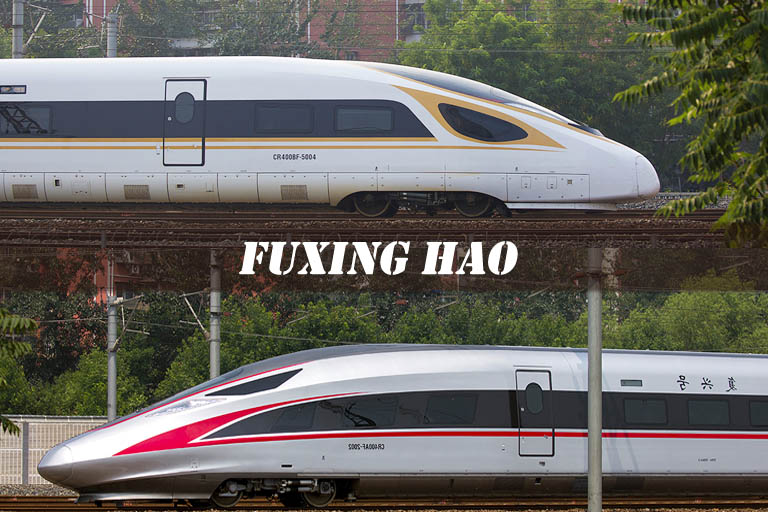
| G | 300–350 km/h | Fastest. Fuxing (CR400) trains on trunk routes — Beijing–Shanghai in ~4.5 h. Book these when available. |
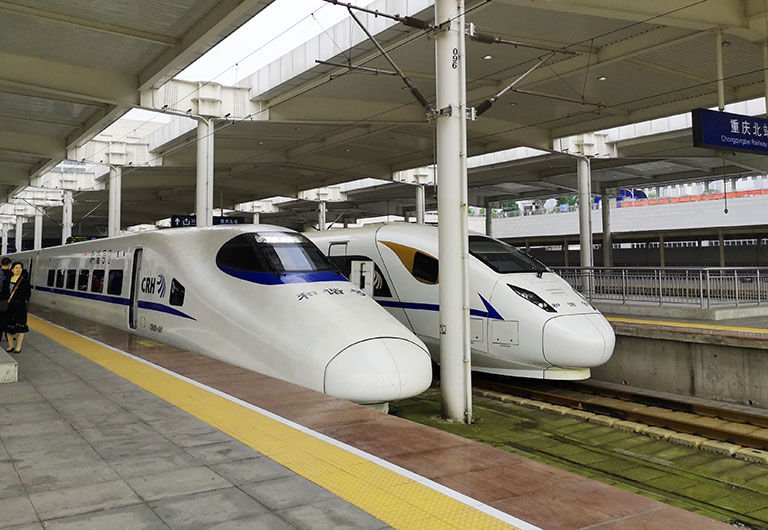
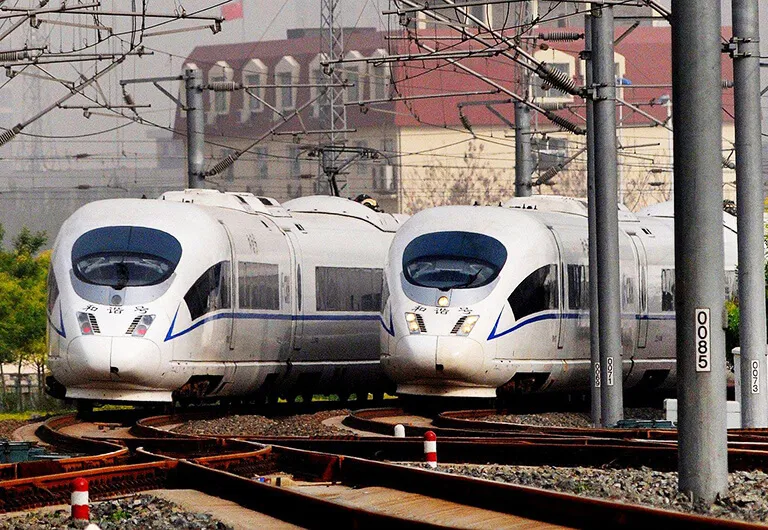
| D | 200–250 km/h | Fast trains on more routes. Good balance of speed and price; some have overnight sleepers. |
| C | 160–250 km/h | Intercity shuttles between neighboring cities. Short hops. |
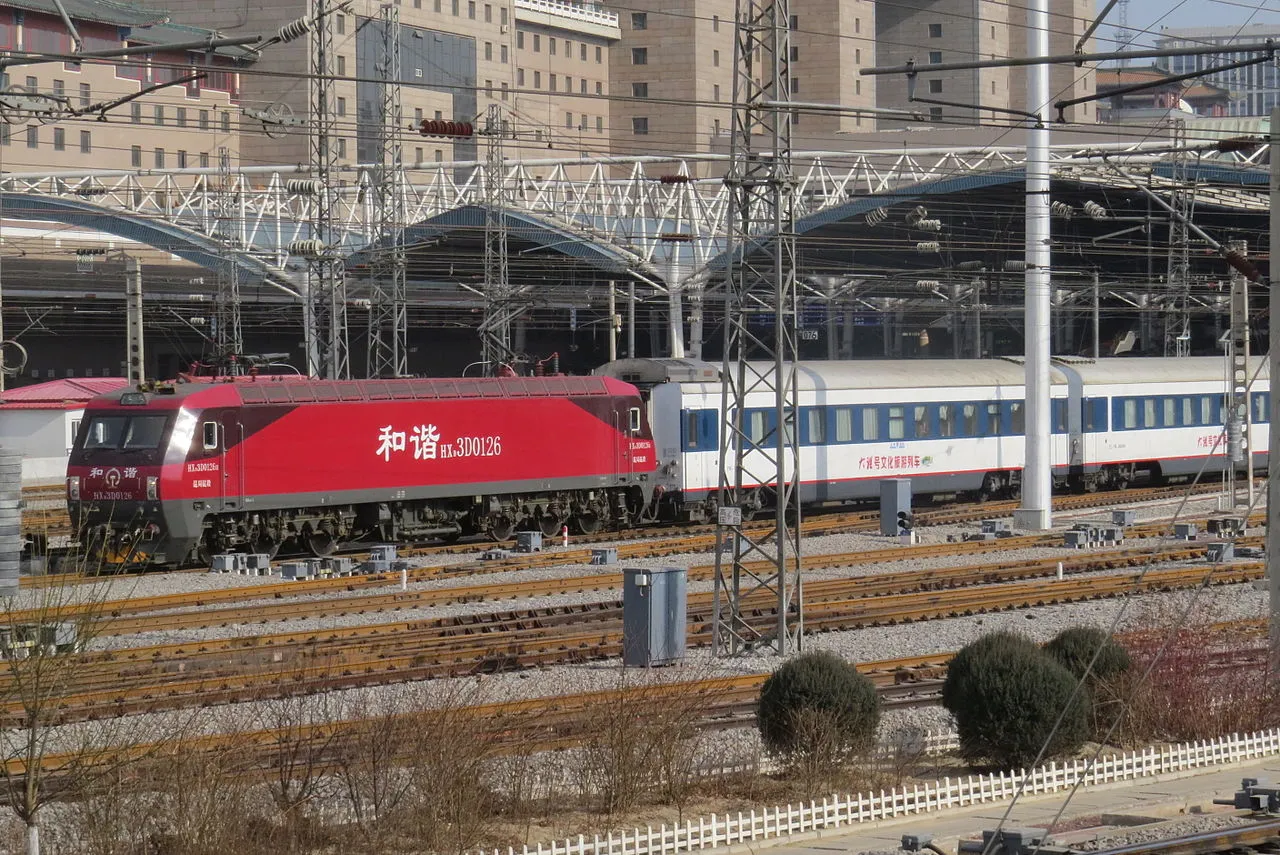
| Z / T / K | 80–160 km/h | Conventional trains with sleeper cars. Much cheaper, much slower — only worth it for overnight budget trips. |
Seat classes
Second class (3+2 seating) is comfortable and what most travelers should book. First class gives you 2+2 wider seats and more legroom for roughly 60% more. Business class has lie-flat seats at airline-first-class prices — rarely worth it on trips under 5 hours.
How to book tickets
- Option 1: Trip.com (easiest)
Full English interface, accepts foreign cards, no Chinese verification hoops. Charges a small booking fee. Best choice for first-time visitors.
- Option 2: 12306 official app (cheapest)
China Railway's official app now has an English interface, registers with a foreign passport, and accepts Visa, Mastercard, and Alipay — no booking fee. Catch: identity verification (passport photo upload) can take from hours up to a few days, so register BEFORE your trip, not at the station.
- Watch the booking window
Tickets are released 15 days before departure. Popular routes sell out fast; book as soon as sales open for weekends and holidays.
- Name must match your passport exactly
Enter your name exactly as printed in your passport, including middle names. A mismatch means the gate will reject you.
- Fallback: station ticket counter
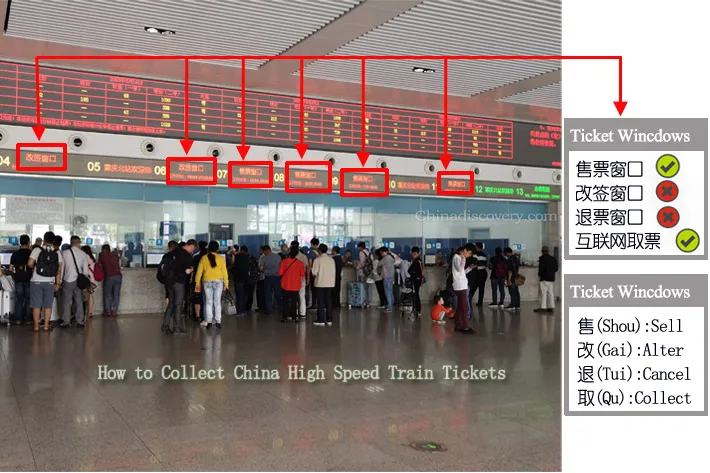
Staffed counters (人工窗口) sell tickets against your passport, cash or card. Works, but expect queues and little English.
At the station: entrance to seat
- Arrive 60–90 minutes early
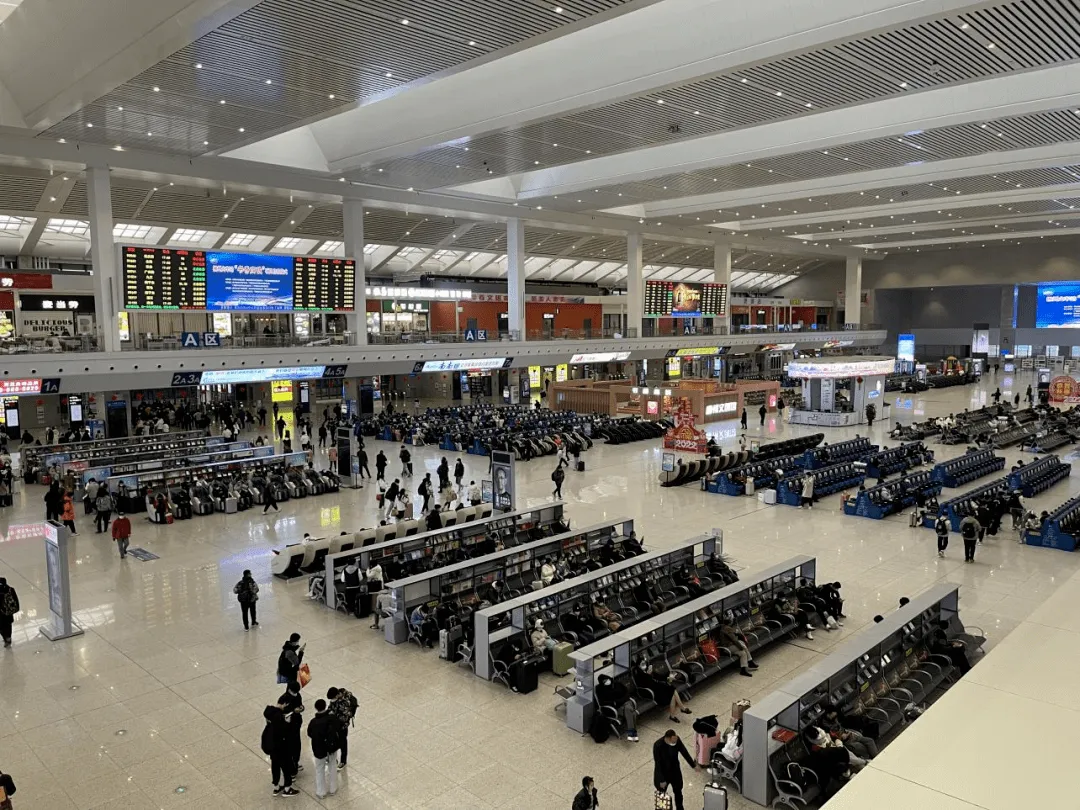
Major stations are airport-sized and handle 100,000+ passengers a day. Security, ID checks, and finding your gate all take time.
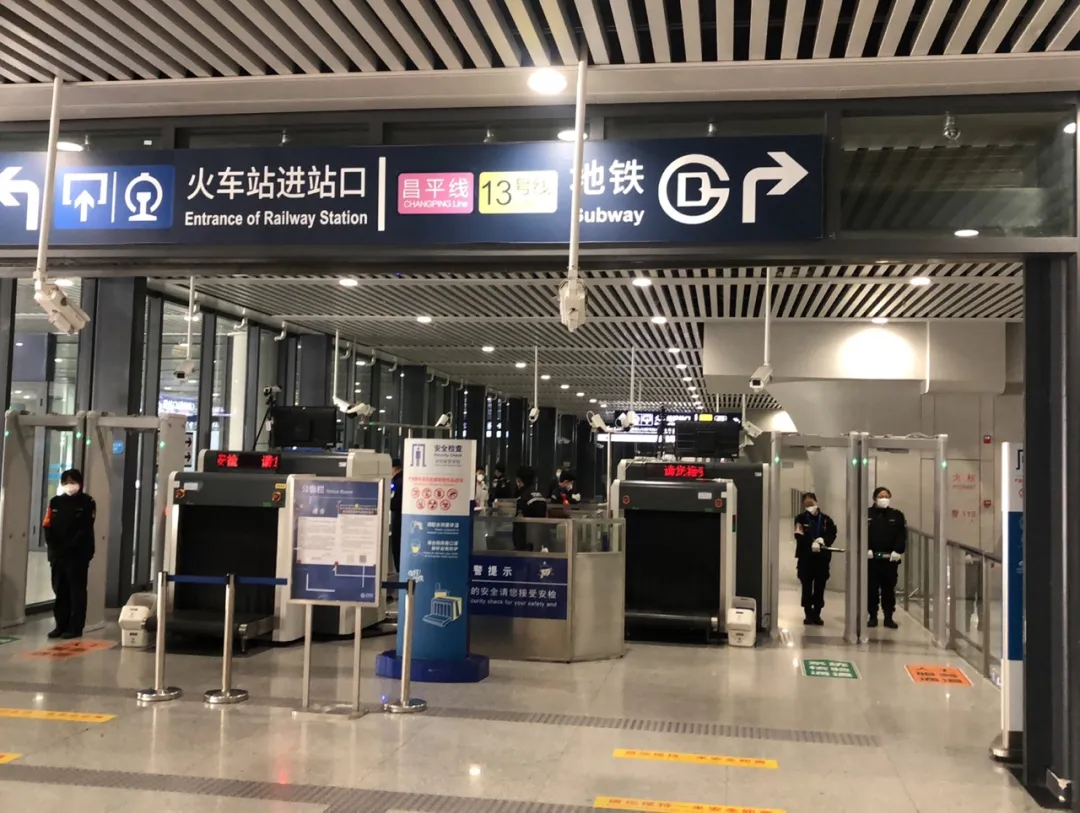
- Entrance: passport + X-ray
Your passport is checked at the entrance and every bag goes through an X-ray. Liquids under 100 ml are fine; knives are not. Keep your passport in hand, not buried in your bag.
- Skip the ticket hall (usually)
If you booked online, there is no paper ticket — your passport is the ticket. Only visit the ticket hall to buy, change, or refund at a staffed counter.
- Find your gate in the waiting hall
LED boards show train number → check-in gate (e.g. G1234 → 12B). Boards are mostly Chinese; your train number is all you need to match. A translate-camera app helps with the rest.
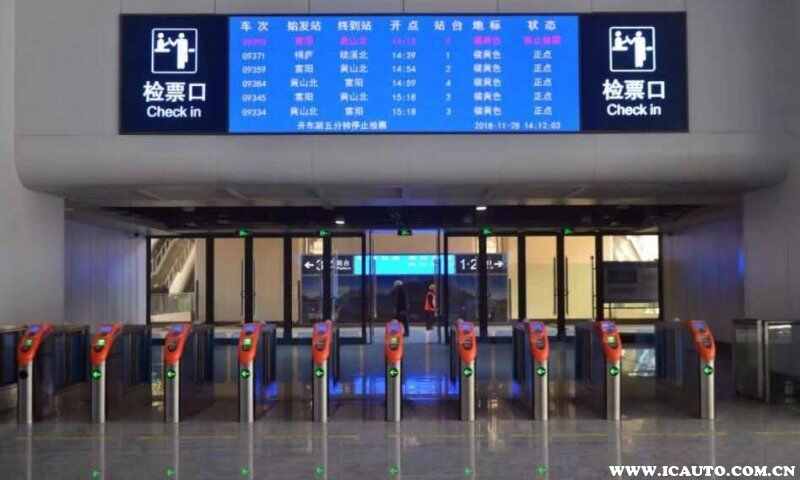
- Board when your gate opens
Gates open 15–30 minutes before departure. Scan your passport at the gate — some automatic gates read foreign passports now, but if yours fails, use the staffed lane next to them.
- Find your car and seat
Platform markings show where each car stops. Seat format: 05车12A = Car 5, Seat 12A. A and F are window seats; C and D are aisle.
On board
Good to know
- Free hot water dispensers at the end of every car — bring a cup or buy instant noodles, the classic Chinese train meal.
- Trolley service and a dining car sell hot meals and snacks; on many routes you can also order delivery to your seat via 12306.
- Overhead racks fit carry-on bags; large suitcases go in the racks at the car ends. Keep valuables at your seat.
- Toilets are at car ends — bring your own tissues.
- Ask before reclining fully in second class, and keep calls quiet; some trains have designated quiet cars.
Common questions
Tickets & changes
What if I miss my train?
Before departure you can change or refund a ticket (fees rise close to departure). If you miss it, go to a staffed counter immediately — same-day changes onto a later train are sometimes possible.
Do I need to print anything?
No. Booking is tied to your passport number; you scan or show the passport itself at entry and boarding gates.
Booking apps
Trip.com or 12306?
Trip.com for ease (small fee, instant, English support). 12306 for price and direct changes — but complete its passport verification a few days before you need tickets.