Qingdao Bus 618: A Laoshan Coast and Fishing Village Route
On this page14 sections
- 01The route in plain English
- 02First decision: ride through or get off?
- 03How to reach Yangkou
- 04Stop option 1: Diaolongzui
- 05Stop option 2: Huayan Temple area
- 06Stop option 3: Qingshan Fishing Village
- 07What you see near Yakou
- 08Which side of the bus has the best view?
- 09Timing without relying on an old timetable
- 10What to bring
- 11A practical day plan
- 12Who should skip this route?
- 13Frequently asked questions
- 14Sources
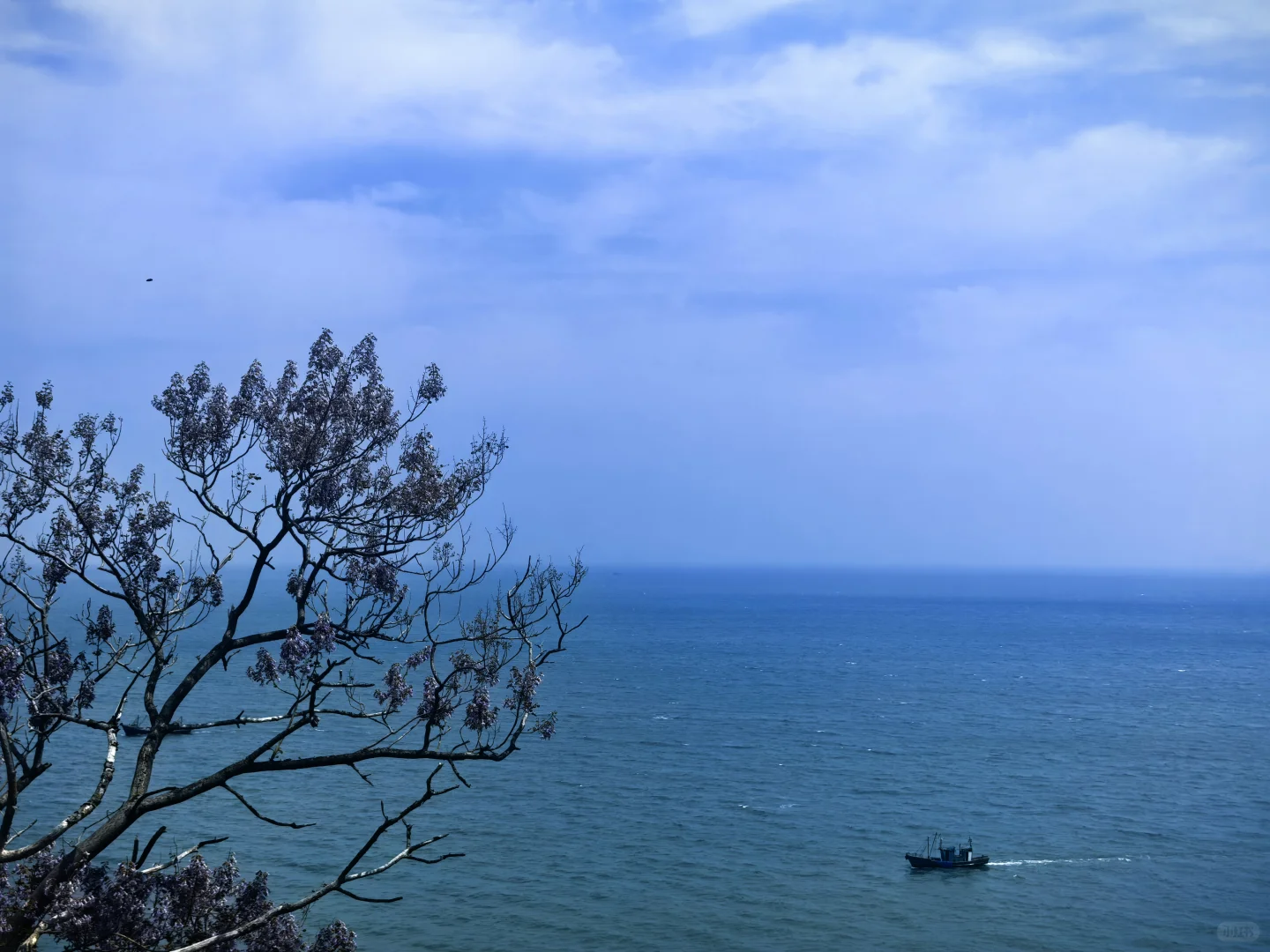
Qingdao's Bus 618 follows the dramatic road between Yangkou and Yakou in the Laoshan scenic area, passing places associated with Diaolongzui, Huayan Temple and Qingshan Fishing Village. It is a public bus with unusually good coastal views, not a hop-on sightseeing service with guaranteed connections. Use it for one or two planned stops, and check the live route, fare and final departures on the day.
Recent social posts have promoted the ride as a ¥1 coastal trip. That was the rider-reported fare in 2026, not a permanent promise. The official Qingdao tourism bureau confirms the scenic sequence, while current fare and operating times should come from AMap or the local bus operator immediately before travel.
The route in plain English
The useful scenic spine is:
Yangkou → Diaolongzui → Huayan area → Qingshan Fishing Village → Yakou
The road runs between mountain and sea. Qingdao's official tourism page describes views of coastal villages, tea fields and the Laoshan landscape along Bus 618. The route is roughly linear, so every extra stop creates a new waiting-time risk.
This is best treated as a half-day or full-day excursion from eastern Qingdao. It is not a sensible add-on after a packed old-city itinerary.
Getting around China without Chinese?
Save routes and key phrases offline — show your driver the address in Chinese with one tap.
First decision: ride through or get off?
Choose one of two plans before boarding.
Plan A: scenery from the bus
Ride the core route in one direction, enjoy the window views and connect onward at the terminal. This is the lower-risk choice when weather is uncertain, the bus is crowded or you cannot confirm return services.
Plan B: one village plus one scenic-area stop
Get off at one planned village or attraction area, then continue on a later bus. This produces a richer day but depends on service gaps, road restrictions and enough daylight.
Do not attempt four stops simply because the map shows them. A public bus can be full, delayed or temporarily adjusted. Laoshan's winding road also makes short distances slower than they look.
How to reach Yangkou
Yangkou is the practical northern starting point. Current official Qingdao guidance for the Yangkou and Huayan areas directs visitors to the Blue Valley rapid transit/metro connection at Puli Station, then onward buses to Yangkou. The available bus numbers can change, so build the trip in AMap on the morning of travel. Our China map-app guide explains the most reliable setup for foreign visitors.
If you use DiDi, choose the correct Yangkou visitor or bus area, not a generic mountain pin. Set up payment and an international number with the DiDi guide for China before leaving the city. Road access in the scenic corridor is managed, and private vehicles can face reservation or traffic controls. Public buses are specifically relevant when self-driving access is restricted.
Starting at Yakou and traveling north can also work, but access to Yakou may be more dependent on scenic-area transport and current road rules. For a first visit, Yangkou is easier to explain and verify.
Stop option 1: Diaolongzui
Diaolongzui is a coastal village stop with mountain-sea views and access to the local fishing-community landscape. Qingdao's government seafood guide identifies the 618 stop in this area for reaching the Yangkou coastal/harbor context.
Get off only after checking the return direction and next service. Save a screenshot of the stop name in Chinese. In a small village, the opposite-direction stop may not be directly across the road.
Keep photography respectful. Boats, courtyards and seafood workspaces are not empty sets. Ask before photographing people at close range or entering a working area.
Stop option 2: Huayan Temple area
Huayan is the strongest cultural alternative to a village stop. It adds a religious and mountain setting to a day otherwise dominated by the coast. Scenic-area ticketing, entry gates and internal walking routes are separate from the public bus fare.
Check whether the attraction and route you want require a reservation or ticket. A bus stop named for a scenic area does not mean the main sight is beside the door. Allow time to walk from the road and return before the final practical connection.
If your priority is hiking, dedicate the day to one official Laoshan route rather than using Bus 618 as a sampler. Weather and trail controls should override a saved social itinerary.
Stop option 3: Qingshan Fishing Village
Qingshan is the visual highlight for many riders: red-roofed homes sit between the mountain and sea, with roads and tea fields layered across the slope. The best view is not necessarily inside the village center. Ask the map for the actual public viewpoint or safe roadside access instead of walking along a blind bend.
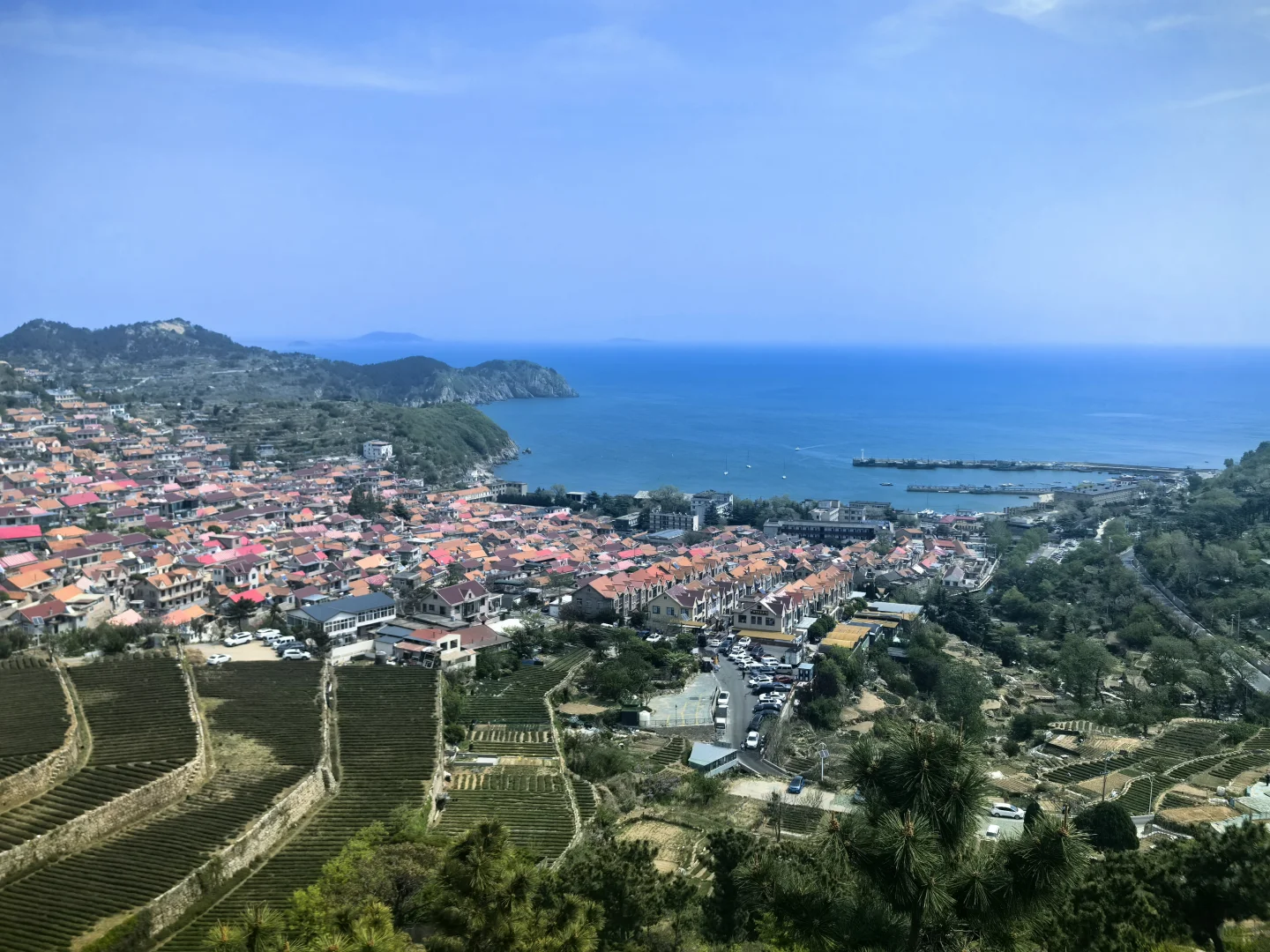
The village is lived in and increasingly visitor-facing. Buy food or tea because you want it, not because a viewpoint feels like an entry fee. Confirm prices before ordering seafood, especially when sold by weight.
If the bus is infrequent, Qingshan should be your only get-off stop. The combination of views, a short walk and a meal can fill several hours.
What you see near Yakou
Yakou sits near the southern end of this scenic section and connects with the Taiqing side of Laoshan. It is a transport decision point, not automatically the end of your day. Current park operations determine whether you continue by scenic shuttle, public bus or another route.
Before leaving Yangkou, check your full return path from Yakou to the hotel. A map that shows a road is not proof that a public connection runs after your arrival time.
Which side of the bus has the best view?
The sea-facing side changes with direction and road curves. From Yangkou toward Yakou, the coast is generally to the left/east side, but the winding road means no seat owns every view. Safety and availability matter more than crossing a moving bus for a photograph.
If the bus is busy, keep luggage compact and let local passengers use the service. This is public transport through communities, not a private viewing vehicle.
Timing without relying on an old timetable
Use AMap to inspect:
the current Bus 618 route;
first and last service at your relevant stop;
predicted arrival only as an estimate;
alternative buses or scenic transport;
the time needed to return to central Qingdao.
Take a screenshot because mobile coverage can weaken along the mountains. Ask the driver or station staff about the last practical connection if you plan to get off.
Holiday traffic controls can change journey time substantially. Qingdao issued specific 2026 access management for the Yangkou–Yakou tourist road, illustrating why a normal-day itinerary cannot be copied blindly into a festival weekend.
What to bring
water and a small snack;
sun protection and a light rain layer;
shoes suitable for slopes and uneven village lanes;
a charged phone and compliant power bank;
modest cash plus a working mobile payment method;
the Chinese names of your stops;
motion-sickness medication if winding roads affect you.
Do not bring a large suitcase. Storage is not designed for tourists transferring with luggage, and the road's curves make loose baggage unpleasant and unsafe.
A practical day plan
Morning: reach Yangkou and confirm the live 618 operation. Late morning: ride toward Qingshan, staying on the bus through Diaolongzui and Huayan if Qingshan is your chosen stop. Midday: short village walk and lunch with prices confirmed in advance. Afternoon: continue toward Yakou only if the onward route is confirmed; otherwise return north. Evening: leave a generous buffer for the trip back to central Qingdao.
For a lower-risk half day, ride to one village, walk briefly and return the way you came.
Who should skip this route?
Skip or simplify Bus 618 if:
heavy rain, fog or strong wind obscures the coast;
you need step-free, guaranteed transport throughout;
you have a fixed flight or train later the same day—our 12306 guide for foreign travelers explains why the exact station and passport-linked ticket matter;
you cannot confirm a return connection;
severe motion sickness makes winding roads difficult.
In poor weather, spend the day on Qingdao's urban waterfront or museums and save Laoshan for a clear day.
Frequently asked questions
Is Bus 618 really ¥1?
That fare was reported in popular 2026 posts. Fares can change, so check the current local transit listing or operator notice before travel and carry a backup payment method.
Does the bus ticket include Laoshan attraction entry?
No assumption should be made. Public transport fare and scenic-area admission or internal transport are separate products.
Can I hop on and off all day?
It is a normal bus route, not a timed hop-on sightseeing pass. You can board again where service permits, but waiting time and capacity are not guaranteed.
Is Qingshan Fishing Village free to visit?
Public village access and specific viewpoints, attractions or transport can have different rules. Follow current signs and do not enter private property.
Sources
Qingdao tourism bureau: scenic bus routes including 618, published 2024-08-15.
Qingdao government: 2026 Yangkou–Yakou road management, published 2026-03-24.
XHS route inspiration, note 69b263f2000000002203a336, published 2026-03-12; engagement collected 2026-07-16.
Tags
Getting around China without Chinese?
Save routes and key phrases offline — show your driver the address in Chinese with one tap.