Beijing Subway Card vs Mobile Payment: Which Is Better?
On this page9 sections
- 01Yikatong Card: The Old-School Workhorse
- 02Mobile Payment: Alipay & WeChat Pay QR Codes
- 03New Since 2025: Tap Your Foreign Bank Card at the Gate
- 04Multi-Day Passes and the Yitongxing App
- 05NFC Phones & Foreign Wallets: Why Apple Pay Won’t Work (Yet)
- 06Cost Comparison: What’s Really Cheaper?
- 07Which Option Is Best for Your Trip Length?
- 08How to Set Up Mobile Payment Before Landing
- 09Frequently Asked Questions

Quick answer: For most tourists, Alipay's QR transit code is the fastest way to ride the Beijing subway with just a passport. But QR codes never earn Beijing's monthly fare discounts. If you ride daily, a physical Yikatong card or Alipay's new NFC "Tap-to-Ride" card cuts fares up to 50% and still works when your phone is dead.
Last week, an American client of mine stepped off the plane at Beijing Capital Airport, phone in one hand, suitcase in the other, and looked at me with that wide-eyed “I have no idea what I’m doing” stare. “Jenny,” she said, “do I need a subway card? Can’t I just use my phone like back home?” I smiled because honestly, 8 out of 10 clients I've guided ask this exact question.
Let me tell you something — figuring out beijing subway payment options for tourists is not as simple as tapping your Apple Watch. When I first started guiding tours in 2018, I assumed mobile payments were plug-and-play. Spoiler: they’re not. I learned this the hard way when I sent a Canadian backpacker to Line 1 with only Google Pay on his phone — he ended up paying ¥50 for a taxi because the turnstile wouldn’t accept it. Total disaster. He was nice about it, but I still cringe thinking about it.
So today, I’m breaking down exactly what works, what doesn’t, and which option will save you time, money, and stress during your trip. Whether you're here for three days or three weeks, this is what you need to know before you go.
Yikatong Card: The Old-School Workhorse
When I first moved back to Beijing from LA, I thought the Yikatong card was ancient tech. My mom always says, “If it ain’t broke, don’t upgrade it,” and honestly, she’s right. This little blue card has been around since 2003 and still works flawlessly across subways, buses, even some convenience stores.
You can buy a Yikatong card at major stations like Dongzhimen, Beijing South Railway Station, or Capital Airport Terminal 3. Head to the service counter labeled “Ticket & Card Services.” No ID needed. Just hand over ¥100 — that’s $14 — and you’ll get the card with ¥80 usable balance plus a ¥20 non-refundable deposit.
Pro tip: Keep the card even after your trip. It never expires. A German client of mine reused his from 2019 last October and just recharged it via Alipay. Saved him ¥20.
Just last week, an American client asked: “Can I get a refund when I leave?” Yes — but it costs ¥20 processing fee, deducted from your remaining balance. So if you’ve got ¥30 left, you’ll only get ¥10 back. Not worth it unless you’ve loaded more than ¥100 extra.
Here’s the thing nobody tells you: you must tap out when exiting. I once forgot to do it after meeting friends in Sanlitun. The system charged me ¥15 — the maximum fare — because it assumed I took the longest possible route. Don’t ask how I know this.
Setting up payments for China?
The app walks you through Alipay and WeChat Pay step by step — and it works offline when airport Wi-Fi doesn't.
Mobile Payment: Alipay & WeChat Pay QR Codes
This is where things changed dramatically in 2024. Before March, foreign tourists had to jump through hoops to use mobile payments. Now? Much smoother.
Open Alipay, search “Beijing Metro” or go to the “Transport” tab. Tap “Beijing Public Transport Card,” agree to terms, and freeze ¥20 as a virtual deposit. That’s it. You don’t need a Chinese bank account anymore.
WeChat Pay launched similar access in Q1 2024. Same deal — scan the QR code at the gate, same as Alipay. Fare? Identical to Yikatong: ¥4–6 for a typical 5–10 km ride.
A few months ago, a British couple I guided used Alipay the whole week. They linked their Visa card through AlipayHK’s Tour Pass feature. No issues. Even bought bubble tea and dumplings with the leftover balance.
But here’s the catch: you need internet. If your data cuts out — say, underground or due to poor roaming — the QR code won’t load. Happened to a French student I helped during the 2024 Spring Festival. No signal in the transfer tunnel between Line 2 and Line 10. Had to buy a single-journey ticket for ¥6 instead of using her frozen balance.
Pro tip: Use Alipay’s Tour Card function. Load a prepaid CNY balance (say, ¥200) using your foreign card. Avoids FX fees later and works offline for small purchases.
Trust me on this one — if you’re staying less than a week and already have Alipay set up, skip the physical card.
New Since 2025: Tap Your Foreign Bank Card at the Gate
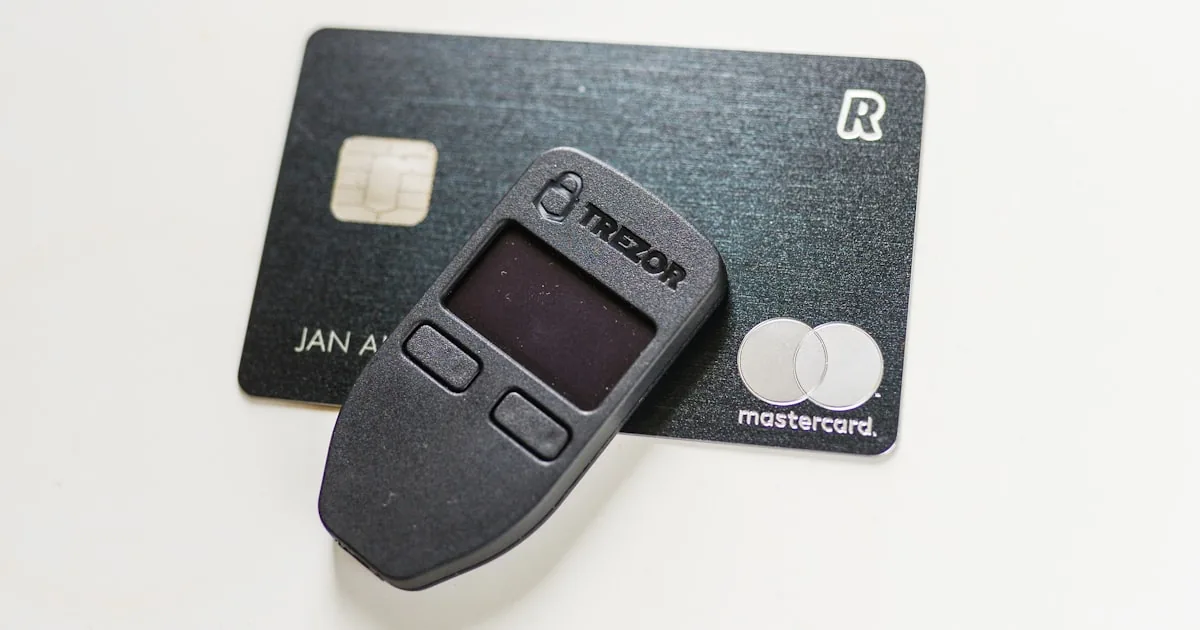
This is the option that quietly beats everything else for short visits: Beijing's metro now accepts foreign contactless bank cards directly at the fare gates. Visa and Mastercard tap-to-ride started in September 2024, and since June 15, 2025, all 27 lines and 490 stations accept contactless cards from all five major networks — Visa, Mastercard, UnionPay, JCB, and American Express. You pay the same local fare as everyone else: no app, no registration, no Chinese phone number. You can even buy single-journey tickets for travel companions at the vending machines with the same card.
If your bank card has the contactless symbol, try it at the gate before setting up anything fancier. The QR-code setups below still matter for buses, small shops, and cities that haven't caught up — but for the Beijing metro specifically, your own bank card is now the lowest-friction option.
Multi-Day Passes and the Yitongxing App
Beijing sells unlimited-ride metro passes: 1-day ¥20, 2-day ¥30, 3-day ¥40, 5-day ¥70, and 7-day ¥90 (airport lines excluded). The catch for visitors: they're sold inside Yitongxing (亿通行), Beijing's official metro app, and registering currently requires a mainland Chinese phone number. An international version supporting foreign numbers was announced in 2024, but as of mid-2026 we can't confirm it has shipped — don't build your plans around it. Double-check current pass prices in the app if you do have a way in.
Run the math before chasing a pass at all: a typical metro ride costs ¥3–5, so the 3-day pass only wins if you ride four-plus times a day. At normal sightseeing pace, tapping your own bank card ride-by-ride costs less than the pass — and needs zero setup.
NFC Phones & Foreign Wallets: Why Apple Pay Won’t Work (Yet)
Just last week, a tech-savvy Australian client pulled out his iPhone 15 and said: “Can’t I just add my credit card to Apple Pay and tap like in Sydney?”
I had to break it to him: no. Apple Pay, Google Pay, Samsung Pay — none work at Beijing subway gates unless linked to a Chinese payment app.
Even if you add your Visa to Apple Pay in China mode, the backend doesn’t recognize it at turnstiles. I tried this myself in late 2022 with my Huawei phone. Wasted 20 minutes waving it at the reader while commuters glared behind me.
My cousin who works at Xiaomi told me the issue is certification — foreign wallets aren’t approved by the Beijing Municipal Commission. Trials are ongoing, but nothing public yet.
Some third-party booths at the airport claim they can “activate” your phone for NFC use. Red flag. One Japanese tourist lost ¥300 to a scammer selling fake activation codes. Avoid them.
Let me tell you something — until official integration happens, assume your smartwatch or wallet app is useless underground.
Cost Comparison: What’s Really Cheaper?
Let’s break down real numbers:
Yikatong purchase: ¥100 total (¥20 non-refundable + ¥80 usable)
Single subway ride: ¥4–6
Mobile payment fare: Same as Yikatong — no difference
Refund processing fee: ¥20 (if you return the card)
Recharge cost: Free at machines or via Alipay
Taxi fallback when tech fails: About ¥35 / $5
Now, imagine you're here for five days, taking four rides daily. That’s 20 trips at ¥5 average = ¥100 spent.
With Yikatong: Buy one card for ¥100, recharge once with ¥50. Total cost: ¥150. Lose ¥20 if you try to refund.
With Alipay: Freeze ¥20 virtual deposit. Spend ¥100. No loss. Reuse balance elsewhere.
So financially? Alipay wins for short stays.
But for long-term visitors or repeat travelers, Yikatong is better. I keep mine as a keychain. Used it just last month when showing a Danish family around the hutongs.
Pro tip: Buy one Yikatong and recharge it — don’t buy multiple cards. I saw a Russian tourist with three cards last October. Confused and overpaying.
Which Option Is Best for Your Trip Length?
For Short Stays (1–5 Days): Use Alipay
If you’re here under a week, especially with pre-downloaded apps, Alipay is your best bet. No upfront cash, no risk of losing a card, and you can use leftover funds for food or souvenirs.
Just make sure:
You activate the transport pass before arriving
You have roaming/data enabled
You’ve tested the QR code once
A German client of mine did all this at LAX before boarding. Walked straight into Line 10 at Capital Airport and scanned without blinking. Smooth as butter.
For Long Stays (6+ Days) or Repeat Visits: Get a Yikatong
Staying longer? Going on day trips? Bring cash and grab a Yikatong. More reliable than QR codes, works even if your phone dies.
Also better if you plan to take buses outside central Beijing. Some rural routes don’t scan QR codes consistently — happened to me during a weekend trip to Mutianyu Great Wall last summer.
Plus, you can use it at 7-Eleven, Starbucks, even some parking meters. My mom loads hers every Sunday for her grocery runs.
How to Set Up Mobile Payment Before Landing
Don’t wait until you land. Do this before your flight:
Download [Alipay Global App](https://m.alipay.com) or WeChat Pay
Register with your passport and foreign phone number
Go to “Transport” > Search “Beijing Metro”
Select “Beijing Public Transport Card”
Confirm and freeze ¥20 (this isn’t a charge — it’s held temporarily)
Test the QR code
Yes, you can link Visa/Mastercard directly now thanks to the March 2024 update. No Chinese bank account needed.
Had a Swiss couple panic at the airport because they waited too long. Spent 40 minutes in line trying to download Alipay with spotty Wi-Fi. Not fun.
You might also find these guides helpful: Why Your Visa Application Got Rejected (And How to Fix It), How to Order Coffee in China Without Speaking Chinese, and How to Use Didi in China Without a Chinese Phone Number.
Pro tip: Save the QR code to your phone’s wallet or screenshot it. Faster than opening the app every time.
Frequently Asked Questions
Q: Can foreigners use mobile metro China systems easily?
Yes — as of 2024, both Alipay and WeChat Pay allow foreign users to activate Beijing subway QR codes without a Chinese bank account. Just link your Visa or Mastercard.
Q: Is the Yikatong card worth it for tourists?
Only if you're staying over a week or plan to reuse it. Otherwise, the ¥20 deposit and refund fee make it less efficient than mobile options.
Q: What happens if my phone dies on the subway?
If using mobile payment, you’ll need to buy a single-journey ticket at the machine (¥6). With Yikatong, you’re safe. Always carry backup cash — about ¥50.
Q: Can I share my Alipay login with family?
No — each person needs their own account. But you can help them set it up. Never share verification codes — phishing scams exist.
Q: Are there any hidden fees with mobile payments?
No. Fares are identical to Yikatong. However, foreign card transactions may incur FX fees from your bank — using Alipay’s Tour Card minimizes this.
Look, I’ve been doing this for six years. I’ve seen people cry over broken QR codes, lose cards in taxis, and argue with station staff because they didn’t tap out. But I’ve also seen guests light up when they master the system — like a Finnish woman who navigated all the way to the Summer Palace solo using only Alipay.
The bottom line? For most tourists, mobile payment via Alipay is the smarter choice in 2024. It’s cheaper, faster, and more flexible. But if you hate relying on your phone — or plan to come back — the Yikatong card still earns its keep.
Either way, now you know what actually works. And trust me on this one — you’ll thank yourself when you breeze past the ticket line while others fumble with cash.
## The Discount Most Tourists Miss (and Lose Money On)
Nearly every guide tells you to "just use Alipay's QR code." It works—but it quietly costs frequent riders money. Beijing gives a monthly cumulative fare discount that **only** applies to the Yikatong card and NFC phone cards, **not** to scan-the-QR payments or single-trip tickets.
Here's how the monthly discount stacks up (resets on the 1st of each month):
| Spent this month on subway | Discount on next rides | |---|---| | Under ¥100 | Full price | | ¥100 reached | 20% off (8折) | | ¥150 reached | 50% off (5折) | | ¥400 reached | Back to full price (cap) |
So a commuter or heavy sightseer who hits ¥150 in a month rides at half price for the rest of the month—but only if they paid with a card, not a QR scan. If you scan an Alipay/WeChat QR code, you pay full fare every single ride, no matter how much you spend.
**Important:** The basic transit QR code (支付宝乘车码 / WeChat Transit Code) is the easiest method, but it does **not** qualify for Beijing's monthly cumulative fare discount—the rule explicitly excludes QR-scan and single-trip fares ("刷乘车码与单程票不享受此优惠"). For occasional rides this doesn't matter; for daily use it's the most expensive way to ride.
## The New Option: Alipay "Tap-to-Ride" NFC Card (碰一下交通卡)
In November 2025 Alipay launched a virtual transit card you add inside the app—think of it as a Yikatong card living on your phone. It solves the two biggest complaints about QR codes at once:
- **It earns the monthly discount.** Because it counts as a card (not a QR scan), it qualifies for the up-to-50% monthly cumulative discount. - **It works with your phone screen off—and even with no signal or a dead-ish battery.** You don't open Alipay or pull up a code; you just hold your phone's NFC area near the gate reader and it taps through, even on a powered-off or networkless phone (NFC stays active on most phones in reserve-power mode). - **Foreigners can set it up.** Open Alipay → 出行/Transport → pick Beijing → verify your identity (passport or an overseas phone number is now accepted) → the card is issued instantly. No Chinese bank account or Chinese SIM required.
If you have an NFC Android phone, this is now the best all-round choice for a multi-day Beijing trip: passport-only setup, automatic discounts, and it won't strand you if your battery dies. (Note: it relies on phone NFC, which on iPhones is more limited—see the NFC section below.)
| Trip distance | Single fare | |---|---| | 0–6 km | ¥3 | | 6–12 km | ¥4 | | 12–22 km | ¥5 | | 22–32 km | ¥6 | | Over 32 km | +¥1 per extra 20 km, capped at ¥10 |
(Airport Express lines are priced separately: Capital Airport Express ¥25; Daxing Airport Express ¥10–¥35.)
With a typical 2–4 sightseeing rides a day at ¥3–¥6 each, a week of riding easily crosses ¥100–¥150—the exact range where a card flips to 20–50% off and a QR code does not. That's the real cost difference, not the deposit.
- **Cost to start:** ¥20 refundable deposit + a first top-up (minimum ¥20). - **Buying with a passport:** Bring your passport to a subway service center (the main Yikatong customer center is at Dongzhimen; many stations also have service windows). Since 31 July 2024 there's also the **BEIJING PASS (International Yikatong)** aimed at overseas/HK/Macau/Taiwan visitors—the physical card needs **no real-name identity binding**, though you should carry your passport. - **Getting your deposit back:** Use a self-service Yikatong kiosk in the station: tap "Refund," choose Alipay or WeChat, and the deposit + remaining balance is refunded instantly and the card is voided. Staffed windows refund in cash only. Keep your balance under ¥200 when refunding.
As of 17 June 2025, Beijing subway accepts tap-and-go with five international card networks—**UnionPay, Mastercard, Visa, JCB, and American Express**—at all gates on every line plus the S2 suburban railway. You tap your physical contactless card (or a phone wallet holding one) straight on the gate. The catch: foreign-card taps are billed per-ride and do **not** earn the monthly cumulative discount, so for daily riders they're the priciest option. They're best as a no-setup backup, not your main method.
Tags
Setting up payments for China?
The app walks you through Alipay and WeChat Pay step by step — and it works offline when airport Wi-Fi doesn't.
Travelers also asked
View all →- Can foreigners use Alipay and WeChat Pay in China with international credit cards?
- What are the best payment methods for travelers in China, and are credit cards or cash widely accepted?
- How does the cashless payment system work for travelers in China?
- Does Beijing Subway extend operating hours during Spring Festival travel peak?