Wuhan Travel Guide 2026: Stay, Eat, Punk & Metal Bars
Wuhan is the capital of Hubei, the biggest city in central China, and one of the last major urban areas most foreign travellers haven't been to. It's a river port with six universities, cheap food, three distinct city centres, and a stubborn independent music scene. Here's how to spend three or four days in it.
What this guide covers
The three city centres of Wuhan — Hankou, Wuchang, Hanyang — and where to stay in each
A hot dry noodle trail with real 2026 prices
Dongpo elbow, three-taste lotus root, and the other Hubei hits
The Wuhan metro, Yangtze ferries, and how to move between river banks
The live music and bar scene around the universities and Optics Valley
Day trips, apps, and the logistics every first-timer gets wrong
Heading to China soon?
Take every guide offline — translation, payments, maps, and emergency help in one free app.
Geography first: three cities on two rivers
Wuhan is made of Wuchang, Hankou, and Hanyang, split by the Yangtze and Han rivers. Each has its own character, and picking the wrong one for your base will cost you an hour a day in transit.
Hankou (北-east bank of Han + north of Yangtze)
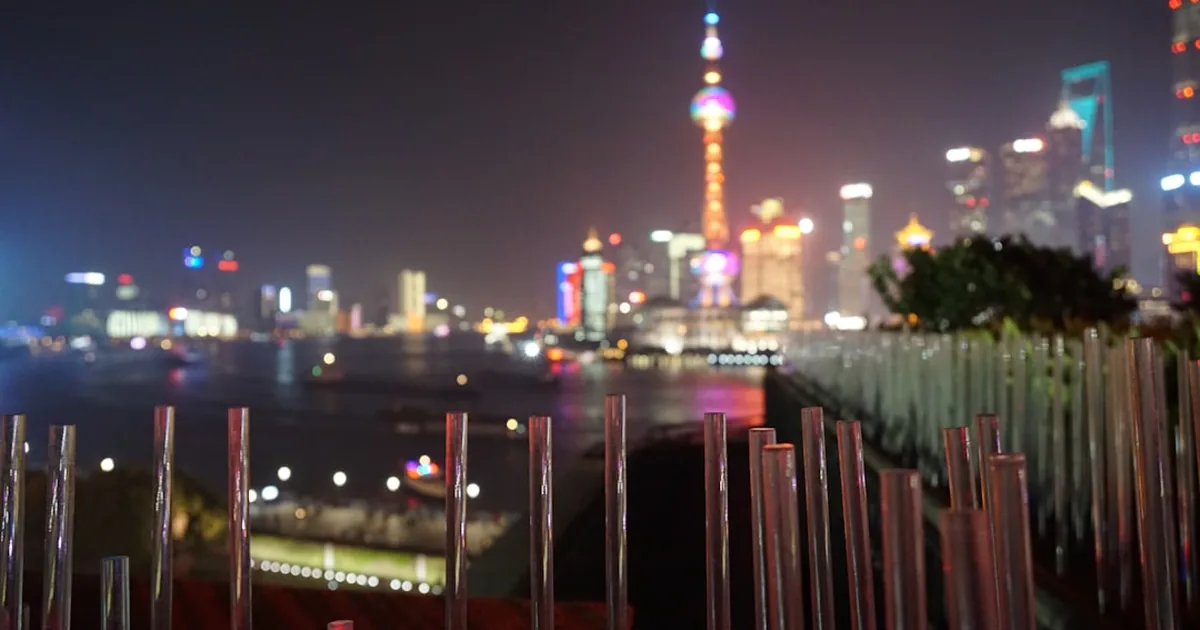
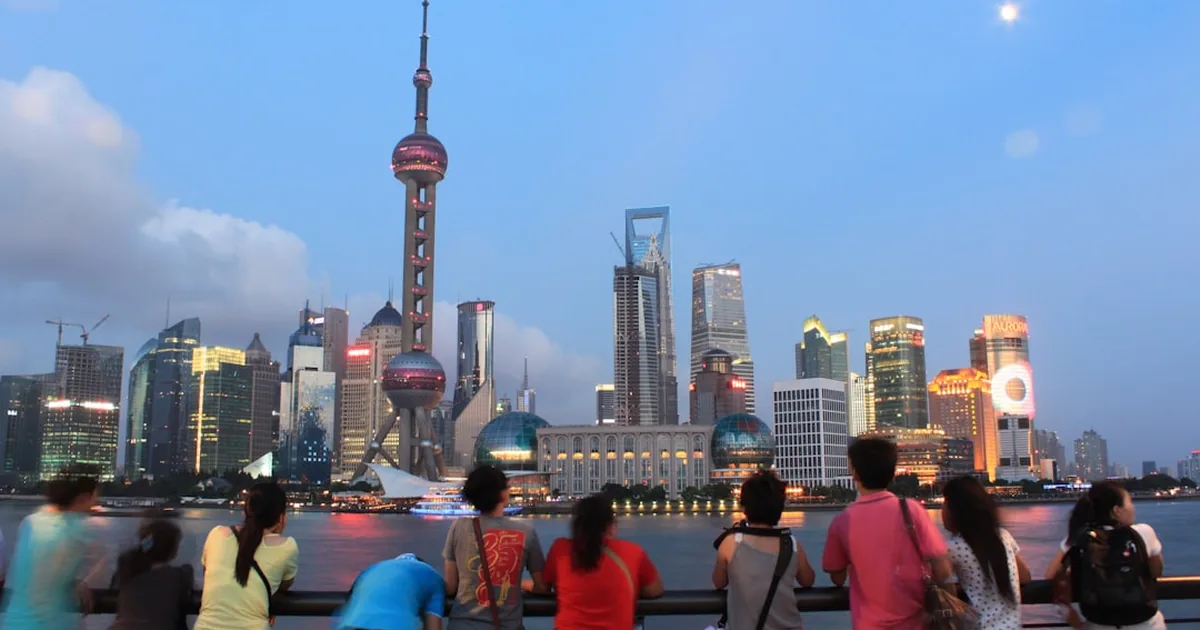
The old foreign concession district, colonial architecture along the Yangtze (the Bund of Wuhan), modern CBD, luxury hotels, Wuhan Railway Station's sister Hankou Station, and the best food streets for outsiders. Jianghan Road pedestrian street is the tourist heart but the back alleys are where the real hot dry noodle breakfast happens.
Wuchang (south of the Yangtze)
The student and academic half. Wuhan University, Huazhong University of Science and Technology, Hubei University. East Lake (东湖) is here — China's largest urban lake. Yellow Crane Tower, the most famous sight in the city, sits on Snake Hill (蛇山) in Wuchang. The Guanggu (Optics Valley) tech district to the east is a younger, bar-heavy part of Wuchang.
Hanyang (south of Han, west of Yangtze)
Quieter, industrial, has Guishan Park and the Qintai Theatre. Unless you're visiting a specific museum here, you probably don't need to stay in Hanyang.
Where to base yourself
For a first trip, stay in Wuchang near Wuhan University or Hubei Museum — you'll be within 25 minutes by metro of everything on both river banks, and Wuchang has the best mix of universities, student food, and music venues. Alternatively, stay in Hankou near Jianghan Road or Wuhan International Plaza if you want colonial architecture and upmarket shopping. Hotels in Wuhan run HK$-free, all ¥ here.
2026 hotel prices
Tier | Hankou (Jianghan Rd area) | Wuchang (near universities) | Budget option |
|---|---|---|---|
Hostel dorm | ¥60–100 | ¥55–95 | Green Tree Inn ¥180 |
3-star | ¥250–380 | ¥200–340 | Home Inn, Hanting |
4-star | ¥500–780 | ¥420–680 | Ibis Styles, Atour |
5-star | ¥900–1500 | ¥750–1300 | Shangri-La, Wanda Reign |
Book via Trip.com or Meituan. Foreign passports are now accepted at about 95% of hotels in Wuhan in 2026 — the old "foreigners not welcome" signs mostly disappeared after 2024 licensing reforms, but always confirm with the hotel when booking.
The hot dry noodle trail (the only breakfast that matters)
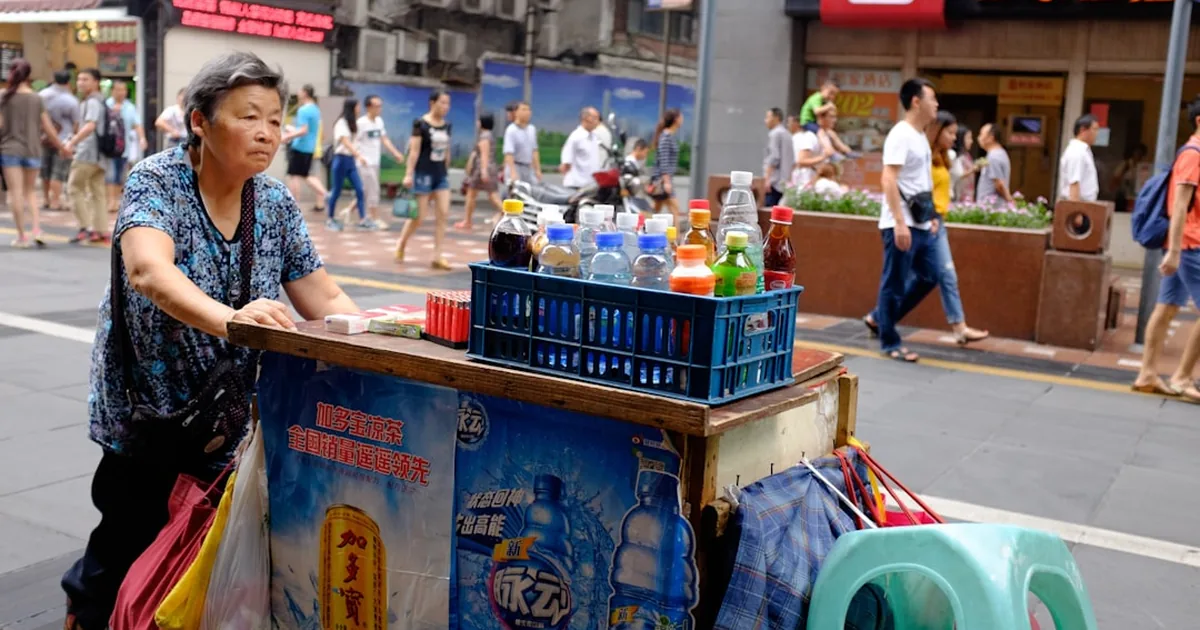
Reganmian (热干面, literally "hot dry noodles") is Wuhan's defining dish. It's not soupy like Lanzhou or Chongqing noodles — it's a bowl of wheat noodles tossed with sesame paste, soy sauce, pickled radish, spring onion, and chili oil. Slurped in 90 seconds at a plastic stool on the pavement, 6am–10am only. If you're eating reganmian at lunch, something is wrong.
Price reality in 2026
A bowl is ¥7–12 at a neighbourhood stall, ¥15–22 at a proper shop, ¥28 at an airport outlet (don't). Add ¥3 for a tea egg, ¥2 for pickled vegetables, ¥5 for a salty soy milk (咸豆浆). Two people eat breakfast for ¥30–40.
Where to actually go
Cai Linji (蔡林记) — the chain every local calls "touristy" but it's actually still solid. Jianghan Road branch for location, Hubu Alley branch for the original vibe.
Hubu Alley (户部巷) in Wuchang — entire alley of breakfast stalls. Touristy but genuinely where you can try reganmian, shaomai (filled with sticky rice here, not shrimp like Cantonese), mianwo (fried rice cake rings), and doupi in one morning.
Any stall in a university neighbourhood — Shui Yue Xuan near Wuhan University, stalls along Luxiang Road near HUST
Jiqing Street (吉庆街) in Hankou — evening food street, good for hot dry noodles after 6pm and beer
Beyond reganmian: the Wuhan breakfast lexicon
Doupi (豆皮) — pan-fried bean skin stuffed with glutinous rice, pork, pickles. ¥8–15.
Mianwo (面窝) — deep-fried rice cake ring, crunchy edge. ¥2.
Shaomai (烧麦) — Wuhan version stuffed with sticky rice and black pepper. ¥2–4 each.
Sheng jian bao (生煎包) — pan-fried pork buns, crispy bottom. ¥3–6 each.
Xian doujiang (咸豆浆) — savoury soy milk with pickles and fried bread bits. ¥4–6.
Lunch and dinner: the proper Hubei table
Hubei cuisine (鄂菜) sits between Sichuan and Shanghai — less numbing than Sichuan, less sweet than Shanghai. River food is the heart of it.
The non-negotiable dishes
Three-taste lotus root (珍珠丸子 / 排骨藕汤) — pork and lotus root soup, simmered for 3 hours in a clay pot. Only exists in Hubei. ¥48–68.
Wuchang fish (清蒸武昌鱼) — steamed bream from the Wuchang fisheries (originally from a specific Yangtze oxbow nearby), soy sauce and scallion. ¥58–120 depending on size.
Dongpo elbow (东坡肉 / sometimes 粉蒸肉) — braised pork belly in dark sauce. Named after Song dynasty poet Su Dongpo (who was exiled to Hubei). ¥58–88.
Spicy crayfish (油焖大虾 / 麻辣小龙虾) — the summer religion of Wuhan. May–September is the season, ¥88–168 per jin (500g). Beer mandatory.
Mian wo gao (沔阳三蒸) — "three steamed dishes from Mianyang" — steamed pork, steamed fish, steamed pumpkin with rice powder. ¥38–68.
Doujiang doufu (豆浆豆腐) — soft tofu simmered in soybean milk with chili. ¥28.
Where to eat
Yang Ji Hong Ban Fan (杨记洪山宝通寺店) in Wuchang — pork rice, strict locals-only feeling, ¥30–50 per person
Lao Tong Cheng (老通城) in Hankou, Jianghan area — century-old Hubei institution, still doing doupi, ¥40–80 per person
San Zhen Ming Cui (三镇民生甜食馆) in Jianghan district — late-night sweet soup and snack shop since 1952
Hankou Lu Jia You Xian Lian Rou (汉口陆家面馆) — lotus root rib soup
For crayfish in season: head to any cluster of plastic-stool shops along Baocheng Road (靓湖) or Jingli Road in Hankou. You're looking for 30+ people on the street, bright lights, and beer cases stacked against the wall.
Expect ¥60–100 per person for a proper Hubei sit-down dinner; ¥150–250 per person for a crayfish feast with beer.
Yellow Crane Tower, East Lake, Yangtze ferries — the classic triangle
If you do nothing else as a tourist, do these three in one day.
Yellow Crane Tower (黄鹤楼)
The most famous sight in Hubei, rebuilt in 1985 on its original Snake Hill site in Wuchang. Five storeys, panoramic view of the Yangtze and the Wuhan skyline. Entry ¥50, open 8am–6pm. The tower itself is a Ming-style reconstruction (the original burned in 1884) but the view genuinely earns the ticket. Combine with Yellow Crane Tower Park for ¥70 combined. Metro Line 5 or 7 to Snake Hill Station, or Line 4 to Huanghelou.
East Lake (东湖)
China's biggest urban lake, 88 square kilometres of scenic area right next to Wuhan University. You can bike the full lake circuit in 3–4 hours (rental bikes ¥20–40 from any entrance), or visit the sections separately:
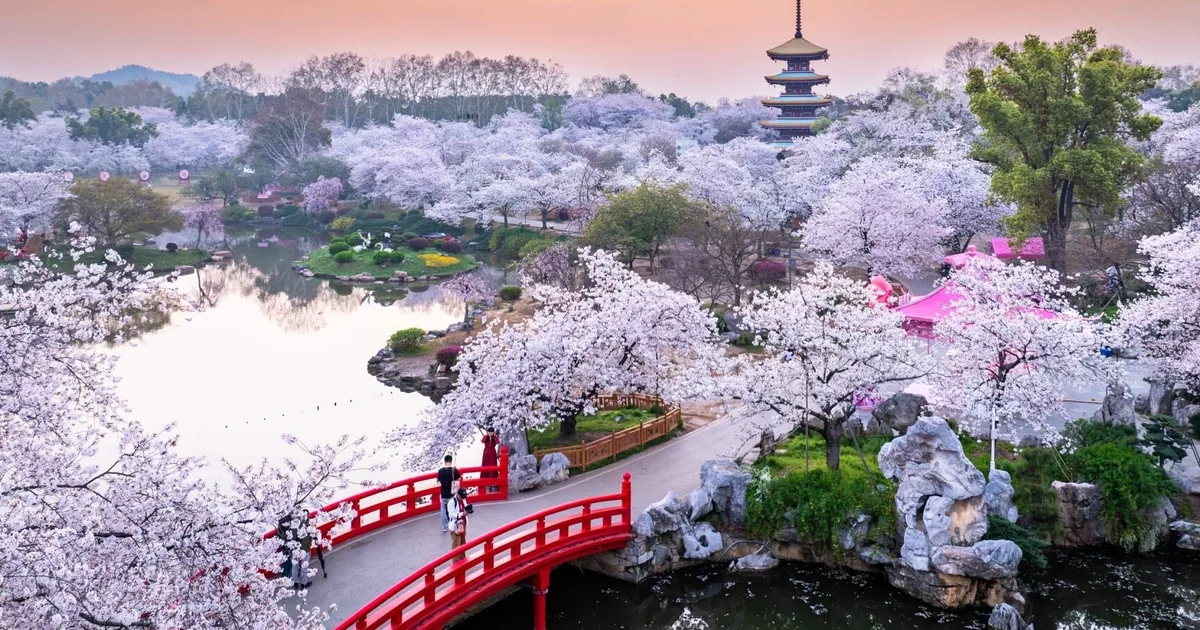
Moshan (磨山) — sub-area with cherry blossoms March–April, ¥60 entry
Tingtao (听涛) — free, best for walking
Luoyan Island (落雁岛) — free, quiet, best sunset
Hubei Provincial Museum — next to East Lake, free entry but book online 3–7 days ahead (Zenghou Yi bronze bells exhibit is world-class, and also go to see the sword of Goujian)
Yangtze ferries
The working Yangtze River passenger ferries are one of Wuhan's best experiences and almost no tourists use them. Three regular routes operate across the river in 2026:
Wuhan Pass ferry (武汉关轮渡) — Wuchang → Hankou, ¥1.5 for foot passengers, ¥3 for bicycles, every 20 minutes, 6:30am–8pm
Zhonghua Road ferry (中华路码头) — cross river near Yellow Crane Tower, ¥1.5, every 30 minutes
Night cruise (江汉朝宗 or 知音号) — tourist cruise with the city skyline lit up, ¥150–298, 1h 30min, 7:30pm/8:30pm/9:30pm departures from Wuhan Pass terminal
Skip the fancy cruise and take the ¥1.5 working ferry at sunset instead. Stand on the open upper deck with commuters, a bike or two, and a Yangtze 10 times as wide as you're expecting.
Museums and quieter half-days
Hubei Provincial Museum (next to East Lake) — Zenghou Yi bronze bells, Warring States sword collection, free entry, closed Mondays. Book 3–7 days ahead on WeChat.
Wuhan Revolutionary Museum (Wuchang) — Red House / Wuchang Uprising memorial, free
Changchun Temple (长春观) — Taoist temple in Wuchang, ¥10
Wuhan Art Museum (Hankou) — contemporary Chinese art, free, Jianghan Road area
Live music, punk and metal — where to look
Wuhan has punched above its weight on Chinese independent music for 20 years. Most of the scene is clustered in Wuchang around the universities and the Optics Valley (Guanggu, 光谷) tech and entertainment district to the east.
Where to look, not specific venues
The scene shifts constantly. Venues open and close on 12-month leases, bands form and disband with each university cohort. Rather than naming specific bars (half will be closed by the time you read this), use this approach:
Target the Wuchang university area around Wuhan University south gate and the streets off Luxiang Road. Walkable from Guangbutun or Street of the Arts metro stations.
Check the Optics Valley / Guanggu district — younger and with more foreign students, there are clusters of bars and small live houses on Guanggu Square Street and the alleys off Luoyu Road. Metro Line 2 to Guanggu Square.
Check Xiaohongshu (小红书, "rednote") and Douyin for live music listings. Search "武汉 live house" or "武汉 摇滚" a few days before you arrive — posts with fresh dates will guide you to current venues and gig nights.
Ask at a local record shop — there are independent record and zine shops near Wuhan University that double as info boards for gigs.
Most shows happen Thursday–Saturday 9pm–1am. Covers run ¥40–120 depending on the act. Beer ¥15–40 a bottle.
Wuhan has birthed some of the most important Chinese punk and post-punk bands of the past two decades, and the scene still has that self-organised, low-production-value energy. Don't expect polish — expect loud rooms, cheap beer, and locals who speak enough English to explain which band is on next.
General nightlife districts
If you're just looking for bars, not specifically live music:
Jianghan Road pedestrian zone (Hankou) — mainstream, chain bars, tourist-friendly
黎黄陂路 (Li Huang Pi Road) in Hankou — colonial architecture turned into coffee and wine bars, relaxed atmosphere
Guanggu Walking Street (光谷步行街) in Wuchang — young crowd, karaoke, Sichuan hotpot, younger and louder
Near Wuhan University south gate — student bars, cheap drinks, often the early stops before shows
Getting around: metro, ferry, Didi
Wuhan has 12 metro lines in 2026, with more under construction, covering every major district. It's the easiest way to move around.
Metro 2026 quick facts
Cost: ¥2 to ¥7 per ride
Operating hours: 6:00am to 11:00pm (some lines to 11:30pm)
Payment: Alipay mini-program (扫码乘车 "Ride with QR"), WeChat Pay, or a Wuhan Tong physical card (¥20 refundable)
Language: announcements in Mandarin + English on all main lines, station signage bilingual
Key lines for tourists
Line 2 — Hankou Station → Guanggu Square. The main tourist line crossing the Yangtze.
Line 4 — Wuchang Station → Wuhan Railway Station, via Yellow Crane Tower (Huanghelou station)
Line 5 — runs along the Wuchang riverside
Line 7 — connects Hankou to central Wuchang, stops at Tanhualin and Snake Hill
Didi and taxis
Didi (via the app, international version added 2023) works everywhere in Wuhan. Typical ride Wuchang ↔ Hankou across the Yangtze: ¥30–55 metered taxi, ¥25–50 Didi Express, ¥45–80 Didi Premier. Late night after 11pm, Didi is the only reliable way across the river. Apps: Amap for maps and Didi for hailing.
Ferries and buses
Yangtze river ferries, covered above, are ¥1.5 per crossing and run 6:30am to 8pm. Buses cost ¥2 flat and accept Wuhan Tong / Alipay QR codes — fine if you want the view, but the metro is always faster for any journey over 3 stops.
Day trips from Wuhan
Three worthwhile escapes from Wuhan:
Wudang Mountain (武当山) — Taoist holy mountain, 3h 10min HSR (¥220), full two-day trip minimum.
Yichang and the Three Gorges Dam — 2h HSR (¥160), full-day or overnight.
Jingzhou ancient city — 1h 30min HSR (¥85), walled Three Kingdoms-era city, half-day.
Weather and when to visit
Wuhan has four real seasons and one of them is legitimately dangerous.
Season | Months | Highs | Notes |
|---|---|---|---|
Spring | Mar–May | 12–24°C | Best season, cherry blossoms at Wuhan University late March |
Summer | Jun–early Sep | 32–38°C | "Stove city" — 38°C + 80% humidity, avoid |
Fall | Sep–Nov | 18–28°C | Second-best season, dry and mild |
Winter | Dec–Feb | 0–10°C | Damp cold, no central heating in most buildings, unpleasant |
The winter cold is deceptive. Homes and restaurants have no central heating — a Wuhan 5°C feels colder than a Beijing –5°C. Bring a real coat, not a light jacket.
Apps and budget
Download before you arrive:
Alipay — payments, metro QR, Tour Pass for foreign cards
WeChat — messaging and payments
Amap — maps in English, Didi integration
Trip.com — hotels, HSR bookings
Xiaohongshu — the best source for current live music and food spots
Meituan — food delivery and attraction tickets (Chinese only but Alipay mini-program is easier)
Daily budget (2026 ¥ per person)
Tier | Hotel | Food | Transport | Sights | Daily total |
|---|---|---|---|---|---|
Backpacker | 90 | 80 | 25 | 50 | ¥245 |
Mid-range | 350 | 180 | 50 | 80 | ¥660 |
Comfort | 800 | 400 | 150 | 150 | ¥1500 |
Wuhan is significantly cheaper than Shanghai or Beijing — a mid-range trip here runs about 60% of a similar trip in the Tier-1 cities.
FAQ
Is Wuhan worth visiting in 2026?
Yes, if you want a less touristy central China city with genuinely distinct food and a working independent music scene. It's not a heritage highlight like Xi'an or Beijing — Yellow Crane Tower and East Lake are the headline sights — but the river, the three-district geography, and the student-heavy neighbourhoods reward 3–4 days. Skip if your only China time is 10 days and you haven't done Beijing, Shanghai, and Chengdu yet.
What is the best area to stay in Wuhan?
For first-timers, Wuchang near Wuhan University or Hubei Museum gives you 25-minute metro access to everything on both river banks, plus the student food and music scene. For colonial architecture and upmarket shopping, stay in Hankou near Jianghan Road. Hanyang is fine if you're visiting specific museums but otherwise inconvenient.
What should I eat in Wuhan?
Reganmian (hot dry noodles) for breakfast — ¥7–12 a bowl from any neighbourhood stall, but only 6am–10am. For lunch or dinner: three-taste lotus root pork rib soup, Wuchang steamed fish, Dongpo elbow pork, and in May–September, spicy crayfish with beer. Hubu Alley in Wuchang is the easiest introduction; Cai Linji is the reliable chain for reganmian if you can't find a local stall.
How do I find punk and metal shows in Wuhan?
Search "武汉 live house" or "武汉 摇滚" on Xiaohongshu and Douyin a few days before you arrive — locals post fresh gig listings there, and venues change too often for a printed guide to keep up. The scene clusters around Wuhan University in Wuchang and the Optics Valley / Guanggu district to the east. Shows run Thursday–Saturday 9pm–1am with covers of ¥40–120.
How many days do I need in Wuhan?
Three full days covers the essential sights (Yellow Crane Tower, East Lake and Hubei Provincial Museum, Yangtze ferry crossing), the food tour, and one full night of bars or live music. Four days lets you add a day trip — Wudang Mountain is the standout but needs at least one overnight. Two days is doable but you'll rush lunch every day.
Tags
Heading to China soon?
Take every guide offline — translation, payments, maps, and emergency help in one free app.