Tashkurgan to Kashgar Bus Guide 2026: Karakoram Highway
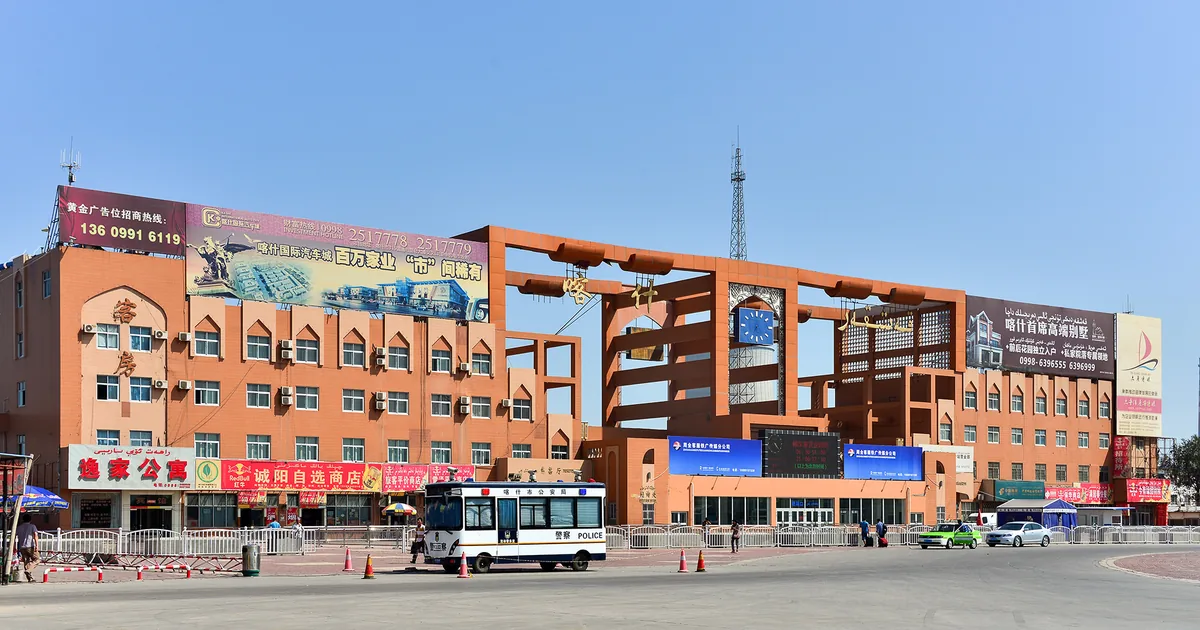
Quick answer: Public buses and shared vans run daily between Tashkurgan and Kashgar along the G314 Karakoram Highway, covering roughly 230 km in 4-5 hours. The station bus fare is about ¥119; shared vans cost ¥100-120 and are faster. Foreign travelers must carry a valid China visa plus a Tashkurgan border permit, which is checked at multiple roadside checkpoints.
The quickest way back from the Pamirs: a daily long-distance bus from Tashkurgan Passenger Transport Station to Kashgar Bus Station for ¥100-¥120, leaving in the morning, taking about 4-5 hours including two or three mandatory ID checkpoints. If you miss it, a shared 7-seater van from your hotel runs ¥150-¥200 and leaves when full.
I made this trip in September 2024 and again talked through the current routing with a guesthouse owner in Tashkurgan last month. The logistics in 2026 have simplified slightly — online booking works now — but the border permit rules have not changed. Get your paperwork right before you arrive at the station.
What this guide covers
Current bus schedule and fares (verified for 2026)
How to buy tickets online via the Xinjiang Passenger Transport WeChat mini program
Border permit requirements for foreigners
Checkpoint protocol along the highway
Shared van alternative and when to choose it
Getting around China without Chinese?
Save routes and key phrases offline — show your driver the address in Chinese with one tap.
Transport Options: Bus vs Shared Van
The 290-kilometer route between Tashkurgan and Kashgar runs along the Karakoram Highway (G314). Unless you're driving a private vehicle with a Xinjiang-registered plate and all required permits, you have two realistic options.
Feature | Public Long-Distance Bus | Shared Van (7-seater) |
|---|---|---|
Fare | ¥100-¥120 per person | ¥150-¥200 per seat |
Schedule | Fixed (mostly morning, some afternoon) | Flexible — leaves when full |
Comfort | Standard coach, 40+ seats, AC | Tight but faster, small group |
Rest stops | 1-2 short stops at checkpoints | Can stop briefly for photos |
Duration | 4.5-5 hours including checkpoints | 4-4.5 hours |
Booking | Station window or WeChat mini program | Hotel front desk or driver directly |
Luggage | Underbus compartment | Boot or roof rack |
My recommendation: take the public bus if you're on any kind of budget and comfortable with a fixed schedule. Take a shared van if you missed the morning departure, you want door-to-door service from your guesthouse, or you're traveling with non-walking luggage that doesn't fit well in underbus storage.
There is a third option that locals use and most English guides miss: the Liaison Office's own errand vehicles (办事处的车) that shuttle staff between Kashgar and Tashkurgan. They cost slightly more than the scheduled bus but, unlike the fixed-route bus, the driver will pull over for photo stops at spots like Karakul Lake and Muztagh Ata. The scheduled bus, by contrast, generally does not stop for sightseeing.
Schedules and Frequency
Services run daily year-round, but frequency changes dramatically by season.
Peak season (April to October)
Expect 2-3 departures daily during peak months. The main bus typically leaves Tashkurgan Passenger Transport Station around 10:00 AM local time. An afternoon service around 2:00 PM runs on high-demand days. During the late-April apricot blossom period and the summer holiday window (July-August), seats sell out, so book the day before.
Off-season (November to March)
Service drops to a single morning departure, usually around 10:00 AM. Heavy snow occasionally closes the Ghez River canyon pass or sections near Karakul Lake, so check road status with your guesthouse the night before. If the road closes, you're stuck until it reopens — there's no workaround.
Duration: 4 to 5 hours on a normal day. Add 30-60 minutes during busy checkpoint periods or festival weeks.
Two scheduled tourist-oriented buses also run from the Kashgar side each day: one departs Kashgar Old Town (Ancient City) at 11:00 and another leaves the Kashgar International Self-Driving Camp around 12:00. These are useful if you prefer a fixed departure over the fill-up-and-go shared cars at the Liaison Office.
How to Buy Tickets
Two methods work in 2026.
1. Official bus station ticket window
Walk into Tashkurgan Passenger Transport Station on Xingfu Road, north of the Stone City scenic area. Window hours run 8:30 AM to 5:30 PM. You'll need your passport (for foreigners) or second-generation ID card (for Chinese nationals). Payment is cash, Alipay, or WeChat Pay. The staff speak Mandarin — use a translation app or write the destination "喀什 Kashgar" on paper if your Chinese is limited.
2. Online via WeChat mini program
Search "新疆客运联网售票" (Xinjiang Passenger Transport Network Ticketing) inside WeChat. This mini program lets you book 1-3 days in advance and is essential during peak season. You'll need to enter your passport number, and the booking confirmation appears as a QR code.
Foreigners sometimes hit a validation error entering passport details on the first try — restart the app and re-enter. Once booked, you still need to show your physical passport at the gate for ID verification.
Shared van bookings
You generally cannot book vans online. Ask your hotel or guesthouse front desk the evening before to reserve a seat. They'll contact a driver directly; most vans leave between 9:00 AM and 11:00 AM. Pay the driver in cash on the day, or via WeChat Pay if they have a personal QR code. Vans typically do pickup from hotel lobbies in the town center or from the Chenguang Eden residential area on Xiyu Avenue.
In Kashgar, the real hub for Tashkurgan transport is the Tashkurgan County Liaison Office (the "Taxian office," 塔县办事处) at No. 16 Tiannan Road, not the main Kashgar long-distance bus station. The official long-distance station in the Guangzhou New City district is on the city's edge with few departures, so heading there usually wastes a half-day. Backpackers can simply taxi to the Liaison Office, where shared route-cars to Tashkurgan fill up and leave when full, and where drivers and other travelers gather to arrange carpools.
Border Permits: Do Not Skip This
The Tashkurgan-Kashgar route crosses a restricted border area. Every single traveler — foreign or Chinese — needs paperwork, and getting turned back at a checkpoint is a real risk if you don't have it.
For foreign travelers
You need a Xinjiang Border Defense Area Entry Permit (边防证) that explicitly lists "Tashkurgan" (塔什库尔干) in the permitted zones. This is not your China visa — it's a separate document issued by Chinese border authorities.
Where to get it: The easiest path is through a licensed travel agency in Kashgar before you head south. Most Kashgar-based agencies on Seman Road will process the permit for ¥200-¥400 in 3-7 days if you provide a passport scan. Some guesthouses in Tashkurgan can arrange it retroactively if you forgot, but expect delays. The Kashgar Public Security Bureau also issues permits directly, but the office hours are restrictive and English-language service is minimal.
Do not try to cross without one. The checkpoints along the highway scan IDs against a database, and foreigners traveling without a valid permit get sent back. I've seen this happen.
For Chinese citizens
Chinese nationals also technically need the border permit, though enforcement is less strict. Bring your second-generation ID card. Some Han Chinese travelers are waved through based on ID alone, but Uyghur and Kazakh travelers face stricter checks even with proper ID.
Identification rules
Foreigners: original passport, not a copy or digital scan
Chinese nationals: physical second-generation ID card
Digital IDs from mobile apps are not accepted at most highway checkpoints
If you arrange the Tashkurgan border permit after you arrive in Kashgar, expect to lose time queuing, and be aware of a documentation quirk: permits issued at the Kashgar Public Security counter are typically processed against a Chinese national ID card, so foreigners must present passport plus valid China visa and may be routed to the dedicated foreigner/immigration counter near Kashgar Airport instead. The permit itself is free. The faster route discovered by recent travelers is the immigration desk on the second floor of Kashgar Airport, which can issue the permit in roughly 15-30 minutes on arrival.
If you are continuing toward Yarkand (Shache) the permit should name both Tashkurgan (Taxian) and Yarkand. Critically, the Tashkurgan permit alone does NOT cover the Khunjerab Pass / Khunjerab Port (Hongqilafu): reaching the actual China-Pakistan border requires a separate additional permit applied for locally in Tashkurgan, which is a more involved process. Travel agencies will handle the paperwork for a small extra fee.
Checkpoint Protocol
Expect 2-3 mandatory stops along the 290 km route. At each one:
The bus parks and the driver hands over the passenger manifest
Every passenger exits the vehicle with all documents
You walk through a small checkpoint building with your passport and permit
Facial recognition scan + ID check; Xinjiang border permits are verified against records
Luggage sometimes goes through an X-ray scanner
You reboard when everyone clears
Total stop time: 15-40 minutes per checkpoint depending on the number of buses ahead of you. Keep documents in your jacket pocket, not buried in a backpack. Be patient, be polite, and don't take photos of checkpoint buildings.
Departure Locations
Knowing exactly where to go saves confusion in a town this small.
Tashkurgan Passenger Transport Station: On Xingfu Road (幸福路), roughly 1.5 km north of the Stone City (石头城) ruins. It's a small, functional station with clear signage. Walk-up time from most guesthouses in town is 5-15 minutes.
Shared van pickups: These don't use the official station. Pickups happen at your hotel lobby, near Chenguang Eden on Xiyu Avenue (西域路), or at the main intersection by the Tashkurgan government square. Confirm the exact spot with your driver the night before.
On the Kashgar end, most buses terminate at Kashgar Bus Station (喀什汽车站) near the train station. From there, a Didi ride to Kashgar Old Town runs ¥15-¥25, or you can walk 2.5 km.
Practical Tips for the Journey
A few things that made my trip go smoother:
Arrive at the station by 9:00 AM if you're taking the bus — earlier during peak season. Seats can sell out by mid-morning, and paperwork checks take time.
Altitude descent: Tashkurgan sits at 3,100 meters; Kashgar is at 1,300 meters. Descending helps headaches, but stay hydrated. The altitude change is noticeable around Karakul Lake.
Download offline maps before leaving. Amap offline maps cover the highway reliably; 4G/5G signal is intermittent between the two cities.
Carry ¥200 in small cash bills. Digital payment fails at checkpoints and rural rest stops where WeChat Pay is unreliable.
No drones. Don't carry a drone without Chinese-issued permits — luggage scans at checkpoints catch them, and you'll lose hours at minimum.
Bring snacks and water. Rest stops are brief and shops are limited along the route.
Window seat on the left (driver's side) gives the best views of Karakul Lake and the Muztagh Ata range.
Tashkurgan town sits at about 3,094 m (10,151 ft), and the road climbs higher still over the Pamir passes, so mild altitude effects are common: ascend without overexerting, hydrate, and keep your first night easy. The Khunjerab Pass border crossing to Pakistan is open only between 1 May and 15 October, and the cross-border Pakistan bus that passes through Tashkurgan generally runs only from roughly May to December, arriving in the afternoon or evening with no fixed time because it depends on road conditions.
Photo and Scenery Highlights
The first 120 km north from Tashkurgan includes some of the most photogenic stretches of the Karakoram Highway. Key points:
Karakul Lake (~170 km north of Tashkurgan at ~3,600 m) — a 20-minute window of clear lake views if the weather cooperates
Muztagh Ata (7,546 m) — visible to the west for about an hour
Ghez River canyon — red-rock formations in the lower stretch before descending into Kashgar prefecture
Opal town — small stop near the desert transition
Your bus driver won't pull over for photos, so shoot through the window. Shared van drivers will sometimes stop briefly if you ask nicely, but only where it's safe and permitted.
Two money-saving notes for the en-route stops: Baisha (White Sand) Lake charges a ¥40 ticket, but you can get the classic mirror-reflection view for free from the public viewing platform on the north bank. For the best mirror reflections at Baisha Lake, aim to be there before about 11:00, when the wind is usually calmest.
Frequently Asked Questions
Can I take a train instead of the bus from Tashkurgan to Kashgar?
No. There is no railway to Tashkurgan as of 2026. The Karakoram Highway is the only ground route. A proposed Kashgar-Tashkurgan railway has been discussed for years but is not operational.
How much does the bus cost in 2026?
¥100-¥120 for the public long-distance bus, paid at the station window or via the WeChat mini program. Shared 7-seater vans run ¥150-¥200 per seat with door-to-door service.
Do I need a border permit if I have a valid China visa?
Yes. The Xinjiang Border Defense Area Entry Permit is separate from your tourist visa. A China L visa alone is not sufficient to pass Tashkurgan-area checkpoints. Process the permit through a Kashgar travel agency before heading south.
What if I miss the morning bus?
Ask your guesthouse to arrange a shared van. These leave throughout the morning and early afternoon as they fill up. You might pay slightly more (¥150-¥200) but you'll still make Kashgar the same day. Avoid hiring a private taxi solo — drivers ask ¥500-¥800 for the route, and it's poor value compared to a shared van.
Is the road dangerous in winter?
The Karakoram Highway is maintained year-round, but snow closures happen 5-15 days per winter season, usually at the higher passes. If you're traveling between December and March, check road status with your guesthouse the evening before, and keep a 1-day buffer in your itinerary.
Can I stop at Karakul Lake and then continue to Kashgar?
Not on a single through-bus ticket. If you want to break the journey, book Tashkurgan to Karakul Lake as one leg (~¥50), stay overnight at a yurt camp, then catch a Kashgar-bound bus or van from the Karakul stop the next morning. Departures from Karakul are less reliable, so plan an extra day of buffer.
There is no passenger railway to Tashkurgan, but there is now a flight option many older guides miss: Tashkurgan Khunjerab (Hongqilafu) Airport opened on 23 December 2022 and runs flights to and from Kashgar, making it China's closest airport to Pakistan, Tajikistan and Afghanistan. Flying skips the all-day road journey, though most travelers still take the road specifically for the Karakoram Highway scenery.
Tags
Getting around China without Chinese?
Save routes and key phrases offline — show your driver the address in Chinese with one tap.